
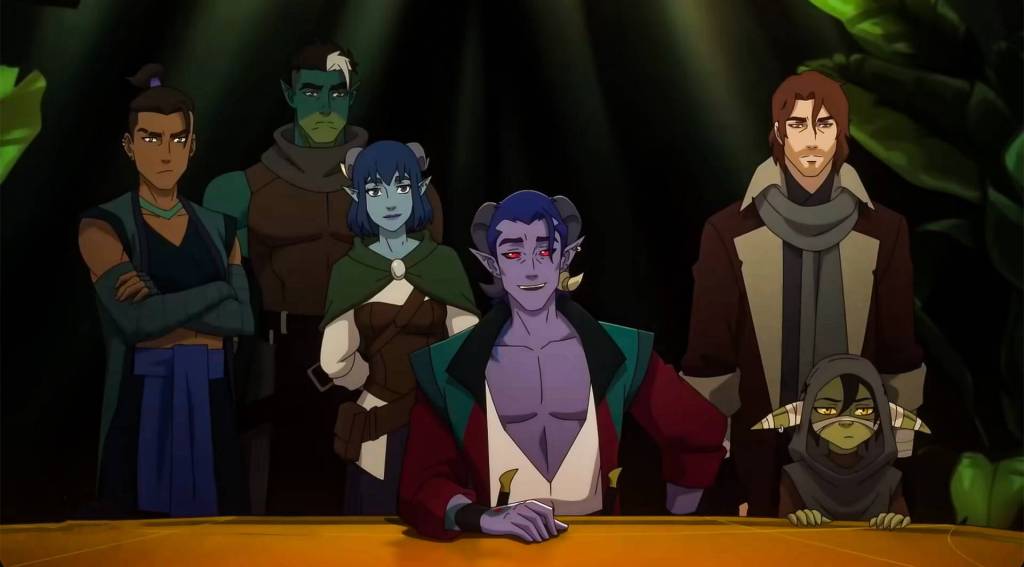
The Mighty Nein delivers a darker and more emotional animated fantasy set in Exandria, with complex characters, stunning magic, and deeply layered world building.
The happy accident that grew into Critical Role has become one of the most exciting evolutions in modern fantasy storytelling. What began as a group of voice actors rolling dice for fun has transformed into a sprawling world that rivals the biggest names in the genre. World building sits at the heart of every great fantasy tale, and this universe has taken that idea and run with it. When Prime Video released The Legend of Vox Machina, the door opened to a new era of animated fantasy for adults. Now The Mighty Nein steps through that door with confidence and delivers something richer, darker, and more ambitious.
Comparing The Mighty Nein to Game of Thrones is almost unavoidable, not because the stories are similar but because both shows build their worlds with care. Where Game of Thrones keeps magic in the background for long stretches, The Mighty Nein puts its arcane display front and center. Spells bubble through the air, artifacts glow with dangerous energy, and entire nations clash over relics that can tilt the balance of reality. The show feels like what fans always hoped high fantasy animation could become. With Arcane and Vox Machina proving how powerful the format can be, The Mighty Nein pushes that bar even higher.
The series takes place in the same universe as Vox Machina, roughly two decades after that legendary team made their mark. The events of the older show don’t overshadow the story, but this is far from a simple continuation. The Mighty Nein follows a completely new set of heroes, if the word heroes even apply. These characters are broken, bruised, flawed, sometimes ridiculous, and sometimes heartbreaking. Their stories give the show a sharper edge than its predecessor, and the result is a more deliberate and emotionally complex experience.
The spark that ignites this tale is the disappearance of a powerful ancient device. Suspicion grows between the Kryn Dynasty and the Dwendalian Empire, two nations that already hover on the brink of conflict. The Dynasty’s Bright Queen believes the Empire has stolen a sacred Beacon, a relic tied to her people’s entire belief system. Tension builds across the continent of Wildemount, with political manipulation and personal agendas fueling the fire. This is a world where loyalty is uncertain, trust is earned slowly, and the truth is murky enough to make every choice feel like a gamble.
Into this turmoil stumbles a group of misfits who have no intention of saving the world. Caleb Widogast is a wizard haunted by guilt and crippling lack of confidence. Nott the Brave is a small goblin with a quick crossbow and an even quicker drinking habit. Beauregard is a monk trained in espionage but plagued by her own anger. Jester is a walking ball of chaos who wields holy magic while leaving childish pranks in her wake. Fjord brings sincerity and a heavy sense of loss. Mollymauk arrives bursting with life despite the dark omens he refuses to confront. Yasha lurks at the edges of the story carrying sorrow and immense strength.
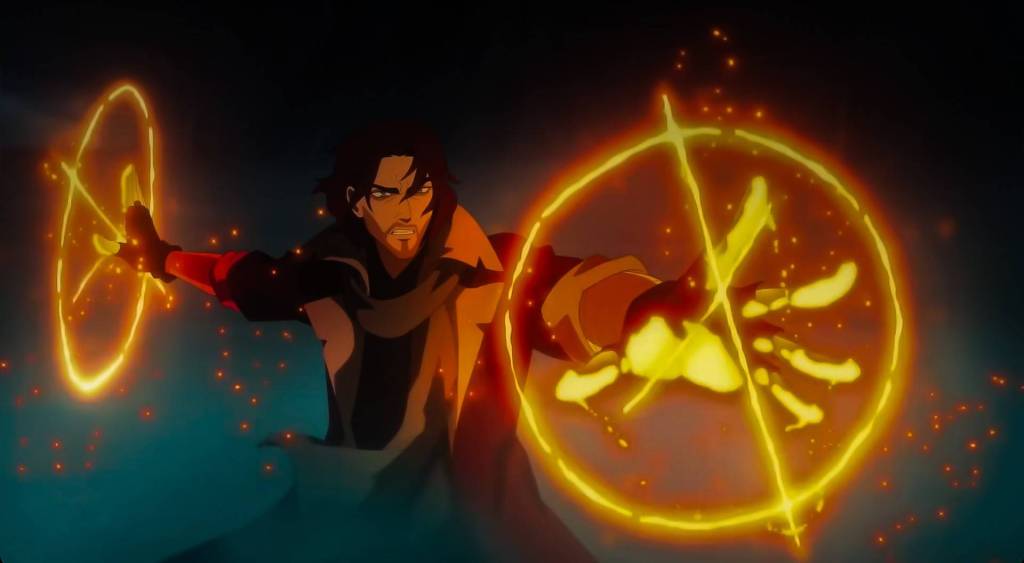
These characters are far from the polished champions seen in Vox Machina. Their wounds run deeper, their secrets are heavier, and their reasons for joining forces are fragile at best. Yet that is exactly what gives The Mighty Nein its emotional punch. The series explores trauma, addiction, fear, isolation, and grief with surprising gentleness. It never rushes the process of growth. Every step toward trust feels like a victory, and every setback reminds viewers how hard healing can be.
The pacing may surprise some viewers, especially those who expect fast movement from episode to episode. The series spends real time with its characters, building them slowly and deliberately. Their stories grows because the show gives them room to breathe. This choice pays off when conflicts explode or truths finally surface, because those moments feel grounded in real character work rather than plot necessity.
Animation from Titmouse is once again stellar. The landscapes of Wildemount feel varied and alive. The warm shores of Nicodranas contrast beautifully with the oppressive shadows of the Kryn Dynasty’s territory. Oceans shimmer, magic pulses with personality, and large scale battles feel both brutal and beautiful. Magic receives special attention, with spells designed to reflect the nature of the caster. The series understands that magic is not only power but identity, and it uses visual detail to reinforce that idea.
The supporting cast is stacked with recognizable talent and brings a sense of prestige to the entire production. Performances feel honest, sometimes raw, and always in service of the story’s emotional core. Matthew Mercer takes on a larger role this time as Essek Thelyss, a character whose presence hints at deeper story threads yet to unfold. His portrayal adds complexity to an already layered world.
Fans of the original Critical Role campaign will find a wealth of references and reimagined story beats that honor the source without being chained to it. The adaptation reshapes certain moments to create stronger emotional impact, yet still feels faithful to the spirit of the campaign. Newcomers may need a bit more patience, since the series assumes some familiarity with Exandria’s geography and political tensions. However the character work is strong enough to stand on its own, and the show rewards viewers who stay with it.
Where Vox Machina jumped out of the gate with a wild mix of humor and high stakes adventure, The Mighty Nein takes a slower and more mature approach. The humor remains, especially with Jester and Nott causing trouble at every turn, but the tone leans darker and more introspective. The show prefers silent revelations over sweeping heroics. When big moments arrive, they land with genuine force because they feel earned.
The Mighty Nein succeeds in crafting a fantasy series with personality, depth, and remarkable style. It embraces the messy humanity of its cast and treats their struggles with respect. It expands the world of Exandria in ways that feel meaningful and grounded. Most importantly, it proves that Critical Role’s move into animation was not a one time success but the beginning of a larger storytelling legacy.





 Screen Rated