
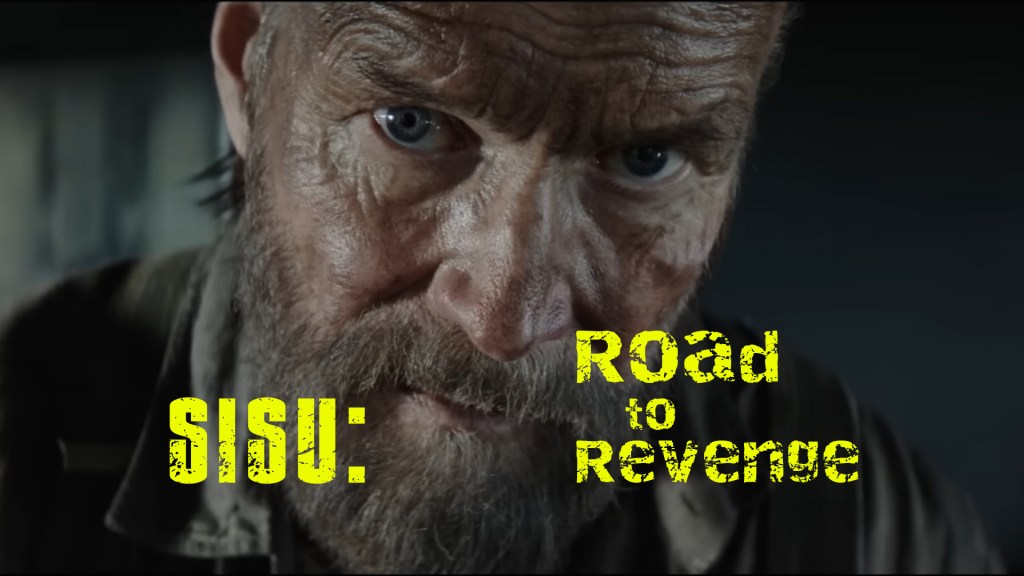
Sisu: Road to Revenge is a bigger and bloodier sequel that never slows down
Revenge is a dish best served with a side of crazy. That is the spirit that fuels Sisu Road to Revenge, a sequel that understands exactly what fans loved about the original and decides to crank every knob until it feels like the film might burst from the force of its own imagination. If Sisu was a stripped down survival thriller with bursts of explosive violence, this follow up feels like the rowdier cousin that steals the keys to the family truck and barrels full speed into a storm simply because it can.
The film opens in the final days of World War II with Aatami Korpi returning home to a place that has been swallowed by grief. Jorma Tommila once again brings stone faced power to the character, and there is a quiet early sequence where Aatami dismantles his destroyed home piece by piece. Rather than abandon the painful memories, he loads the massive planks onto his truck and decides that if the world will not leave him in peace, he will carry peace with him until he can rebuild it somewhere safe. It is an emotional idea wrapped in a wild action premise, and that combination creates a spark that carries the film through each escalating set piece.
As soon as Aatami begins his journey, the film shifts into full chase mode. His legend has only grown in the region. To some he is a ghost. To others he is a myth told to frighten soldiers. To the Soviets he is unfinished business. Richard Brake shows up as a ruthless general who unleashes the one man he believes can stop the unstoppable. Stephen Lang steps in as Igor Draganov, the officer responsible for murdering Aatami’s family, and Lang attacks the role with the kind of cold cruelty that demands a spectacular comeuppance.
From this point forward the film becomes a relentless pursuit. Each chapter opens with a title card that signals the tone of the next sequence. Motor Mayhem jumps right into a blistering motorcycle chase that feels like a tribute to Fury Road with its dust clouds, roaring engines, and bodies flying in every direction. Director Jalmari Helander stages the action with so much confidence that the entire sequence passes in a blur of stunts and practical effects that look like they could have been stitched together from a dozen adrenaline soaked dreams.
The film never rests. It simply changes direction. After the motorcycles come planes. After the planes come soldiers dropping from the sky. After that comes a train sequence where Aatami sneaks through a room full of sleeping soldiers in one of the most entertaining homages to silent era comedy that any action movie has attempted in years. You can practically feel the influence of Buster Keaton guiding the timing as Aatami maneuvers around swaying hands, twitching arms, and shifting bodies. It is the rare moment in a modern action film that generates laughter at the same time it delivers tension.
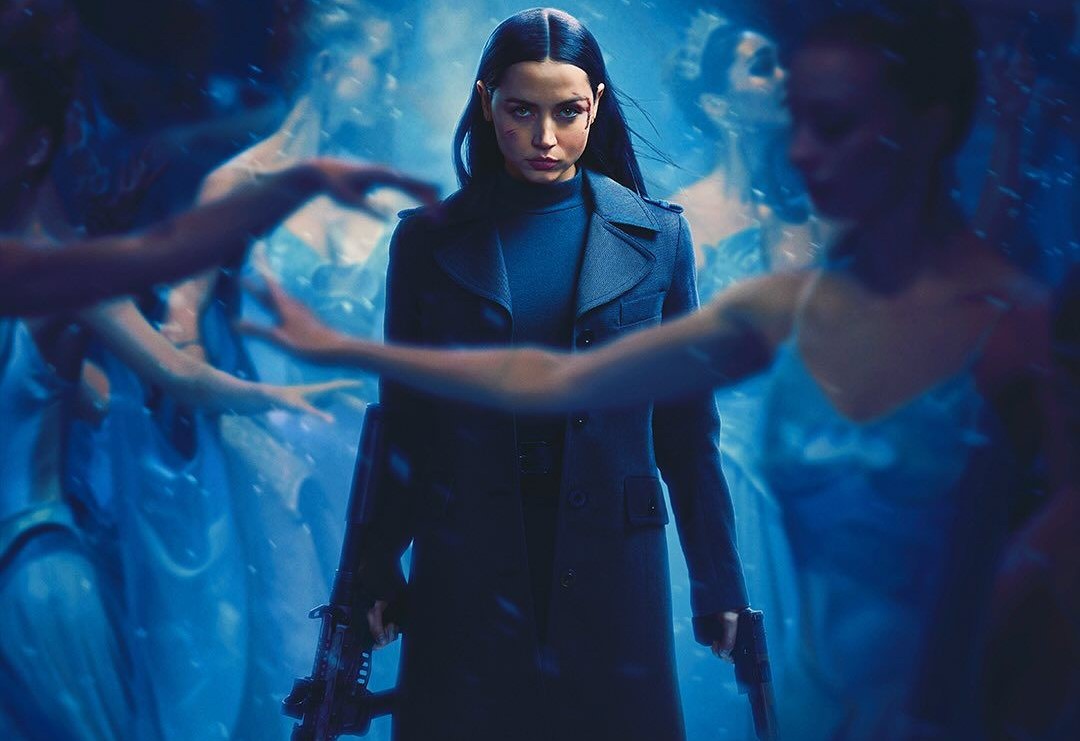
‘Ballerina’ Revenge, Action, and the John Wick Legacy
John Wick stopping by a ballet studio was not on my bingo cards, but here we are. Ballerina fused the stylized world of the Wick franchise with the classic revenge melodrama, complete with two hours…
Helander and cinematographer Mika Orasmaa shoot these set pieces with bright clarity. They avoid the shaky, blurry style that often defines action films today. Each movement feels readable. Each kill is staged with precision. It is violent in the way that animation is violent, with bodies hurled through the air in ways that feel surreal yet always grounded in deliberate choreography. The film is gory. It is over the top. But it is also crafted with real care.
Aatami himself remains the quiet storm at the center of the chaos. Tommila’s physical performance drives the film even when he barely speaks at all. The wounds, scars, and exhaustion build on his face and body until he becomes an almost mythic figure. He is more symbol than man, the embodiment of stubborn willpower pushing forward even as the world throws tanks, planes, and entire platoons at him.
Lang and Brake are smart choices for the villains because they treat their roles with a kind of heightened seriousness that matches the tone of the film. Brake plays his scenes with wry menace, while Lang leans into the monstrous simplicity of a man who enjoys cruelty because someone has to. Their presence makes Aatami’s mission feel heavier, even though the film never pretends anyone in the audience believes the hero might fail. The suspense is not in whether he wins. It is in how he wins, and how insane the method will be this time.
The film keeps its runtime short and its pacing sharp. Nothing lingers. Nothing drags. Even the quieter beats serve a purpose. The bond between Aatami and his loyal dog feels like a nod to classic action cinema where the smallest emotional beats carry the greatest weight. When the violence peaks in the final confrontation, the payoff feels justified because the film never tried to be more complicated than necessary. It simply aimed to entertain at the highest possible level.
Sisu Road to Revenge is not a philosophical exploration of trauma or grief. It does not pretend to be. What it offers is a pure shot of cinematic adrenaline delivered with style, humor, and a sense of freedom that many action movies lack. It is bigger and crazier than the first film, yet somehow cleaner and more focused. Helander trims away everything that could slow the momentum and concentrates entirely on action that feels fresh, creative, and surprisingly elegant.
This film is a reminder that simplicity can be a strength. You do not need layers of plot twists or ten different emotional arcs when you have a hero whose mission is clear and villains who deserve everything that is coming to them. Aatami is a man who has endured loss so unbearable that violence becomes the only language he still knows how to speak. And when that violence is delivered with this level of imagination, the result becomes something uniquely thrilling.
There may not have been an obvious need for a sequel to Sisu, but Sisu Road to Revenge makes a strong argument that this character still has life left in him. Whether a third film ever emerges is anyone’s guess, but if this is the final chapter, it ends with a sense of victory. Not because justice has been served, but because Aatami earned the right to keep going long enough to decide what comes next.
For now, he has earned his rest. And audiences have earned one of the most wildly enjoyable action films in recent memory.





 Screen Rated