

Just finished reading Onyx Storm, the latest book in The Empyrean series, and let me tell you, every other chapter feels like Violet and Xaden have forgotten the plot exists because they’re too busy making out. The passion heavy dialogue is layered thick, almost like the book is daring you to keep a straight face. It is not the worst thing in the world though. To be fair, it’s a romance story wrapped inside a fantasy adventure, so that sort of thing is expected. Still, somewhere around the midpoint I’m thinking to myself, alright, this might be a little much and I find myself skimming those scenes, to get back to the parts I like.
Doing that got me thinking, how many books have I read where I thought that the author is going overboard? These books were not ruined by these choices. In fact, many of them are outstanding literature. Still, when I read them, I couldn’t help but think the writer was going for the extra flourish even when it was not needed. The dialogue feel mechanical. The setting starts to feel bloated, the scenes overly decorated. It’s as if I can feel the author standing behind me, repainting every inch of the page. Below are ten popular books where I thought that the writer was “doing too much.”
The Hunger Games by Suzanne Collins and the handling of Prim’s death
Readers were already on edge by the time the final book reached its climax. Prim was the whole reason that set Katniss on her path. So, when Prim dies near the end, it can feel like the author twisted the knife too sharply. The moment is meant to expose Coin’s true nature and push Katniss into making the story’s most important choice. I felt it was a bit heavy-handed of a move. Prim’s death did the job, but it also felt like Collins kicked too hard in the saddle when a light tap could have done the work. It was a choice that made sense thematically. Nonetheless, there were plenty of side characters with whom Katniss also had an emotional bond with. I think any of there death’s would have also given here cause to do what she did. That’s why I felt like Collins was “doing too much.” It was an emotional overload. It’s almost as if she was gaslighting readers when she blew up Prim.
The Stand by Stephen King and the endless characters
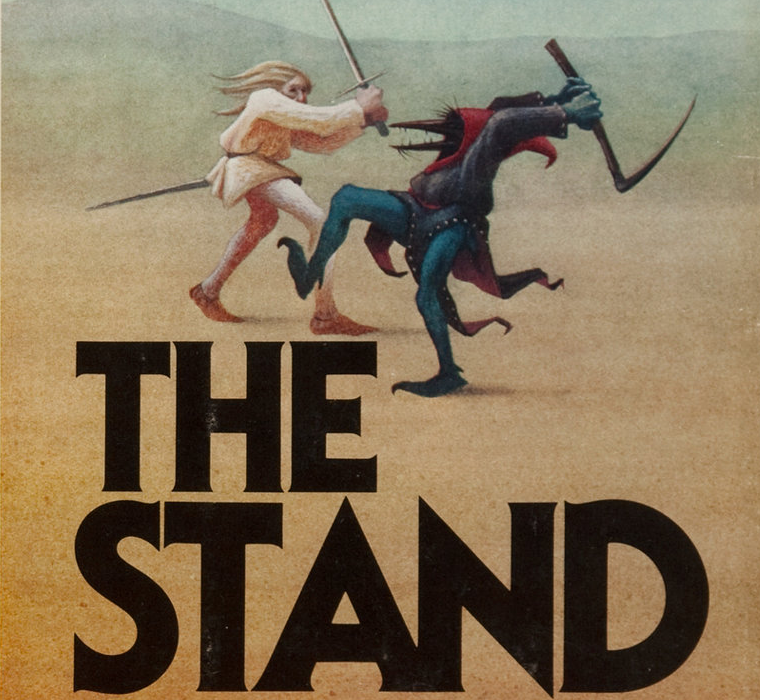
Stephen King writes worlds, not stories. The Stand is massive, ambitious and deeply memorable. It is also stuffed, and I mean “stuffed” with characters. The book devotes entire sections to characters who vanish from importance, never to be seen or mentioned again. A perfect example is The Kid from the uncut edition. King spends pages exploring this unhinged, violent drifter who kidnaps Trashcan Man. We learn about The Kid’s twisted personality, his obsessions, the way he sees the world, and the dangerous energy he brings into every scene. The book presents him with so much weight that I expected him to shape the story in some lasting way. Instead, he dies not long after his introduction and is never mentioned again. King builds entire backstories for people who appear once and disappear. But this wide cast is what gives the world its texture, but it also creates a sense of bloat. I found myself flipping pages wondering if I really needed another six-page deep dive into yet another character’s tragic childhood. King wanted to show the scope of civilization breaking down. And as usual, he succeeded. He also went a little wild with the cast list.
The Great Gatsby by F. Scott Fitzgerald and the endless symbolism

No one denies the beauty of Fitzgerald’s writing. His prose is like expensive perfume caressing your nose, but you can’t find where it’s coming from. But the avalanche of symbols can feel like sitting in an English class where every object, every color, every gesture must stand for something. The green light. The eyes of Doctor T. J. Eckleburg. The valley of ashes. The weather. Daisy’s voice. It is a buffet of metaphors and motifs, and while I can admit that each one is lovely on its own, stacked together, however, they create a sense that Fitzgerald wanted the book to be decoded rather than experienced. There is no subtlety. he insists on yelling through velvet curtains symbolism.
Moby Dick by Herman Melville and the encyclopedic whale chapters
Melville aimed to write more than an adventure story. He wanted something biblical in scope, a saga that would swallow the reader the same way the whale swallowed Captain Ahab’s sanity. But even the most loyal fans, including me, thinks that the endless whaling chapters, technical descriptions, historical lessons, and scientific musings grind the momentum to a halt. To me, there are chapters that read like detours into a museum tour guide’s manual. They are interesting in their own right, but they create a rhythm that threw me overboard. Melville was brilliant, but he also piled the plate too high.
The Da Vinci Code by Dan Brown and the nonstop puzzle box

Puzzle after puzzle. Clue after clue. Twist after twist. Brown built a story that never breathes. It feels like the literary version of a treadmill at the highest speed. While the thriller elements are fun, the insistence on layering more mysteries over every conversation can feel exhausting. Even the characters seem tired. His desire to keep the adrenaline pumping from the first page to the last leads to moments where the story stops feeling natural. It becomes a frantic spectacle that forgets to slow down long enough to let me care.
Twilight by Stephenie Meyer and the thick layers of longing

Teen romance thrives on yearning. It is part of the appeal. But there are scenes in Twilight where the longing becomes so intense that it borders on obsession. The endless descriptions of Edward’s eyes, his marble skin, his perfect face, his intoxicating presence, and Bella’s heart pounding like a drum for two hundred pages can feel like sugar overload. The emotion is valid, yet the repetition felt as though I was stuck in a perfume advertisement that never ends. It is, after all, a romance novel, but for me, the heavy saturation of swooning crosses into “doing too much” territory.
Gone Girl by Gillian Flynn and the twist escalation

The midbook twist in Gone Girl is iconic. It redefined the modern thriller. But after that monumental reveal, Flynn layers twist upon twist until. The story began to feel like a contest to see how many times I can be jerked sideways. I suppose the intensity is part of the fun, and why so many love the novel. Still, the third act becomes some performance of manipulation and plot gymnastics. I felt that each twist tried too hard to top the last one, even when the story might have benefited from staying grounded. Flynn is brilliant with psychology, but sometimes brilliance overshoots.
The Goldfinch by Donna Tartt and the scenic overload
Tartt is gifted with atmosphere. She builds scenes with meticulous detail. The problem is that sometimes the details keep piling and piling until the novel feels weighed down by too much description. Long passages describe rooms, objects, art, smells, and thoughts that do not always move the story forward. The book remains a modern classic, but even fans acknowledge that some sections read like the author was so in love with her own world that she refused to cut a single sentence. I felt that the heavy painted scenes sagged the story.
The Name of the Wind by Patrick Rothfuss and the perfection of Kvothe
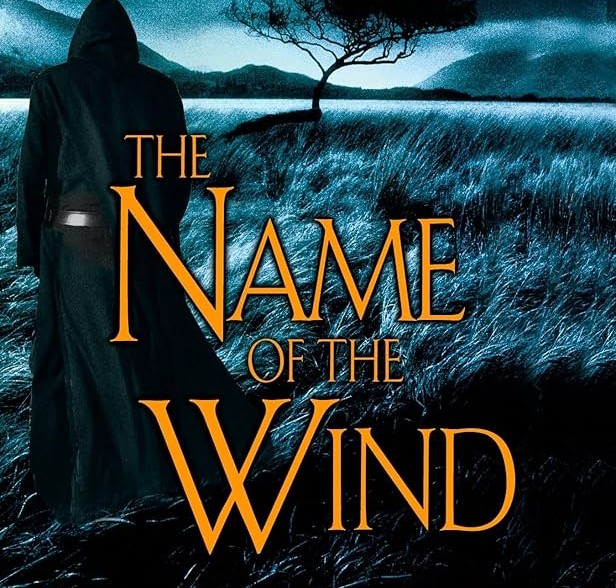
Kvothe is handsome, brilliant, gifted, charming, tragic, misunderstood, talented in every field, and beloved by nearly everyone who meets him. At some point, the character begins to feel like the literary equivalent of a teenager’s fantasy avatar. Rothfuss is a wonderful writer with lyrical prose, but his main character is so excessively gifted that he sometimes strains believability. Every challenge Kvothe faces becomes another opportunity for him to showcase how exceptional he is. Don’t get me wrong, it’s entertaining, but it also slides into doing too much territory.
The Fault in Our Stars by John Green and the philosophical teens

The book is emotional and heartfelt. It’s a favorite with millions for good reason. Yet the dialogue between Hazel and Gus often reads like two college professors having a poetry slam instead of two teenagers navigating illness and love. Their existential speeches, their literary references, their poetic musings, and their hyper articulate reflections can feel unnatural. The story is moving, but sometimes the philosophical monologues push so hard that the emotional weight feels overly unnatural.
Related post
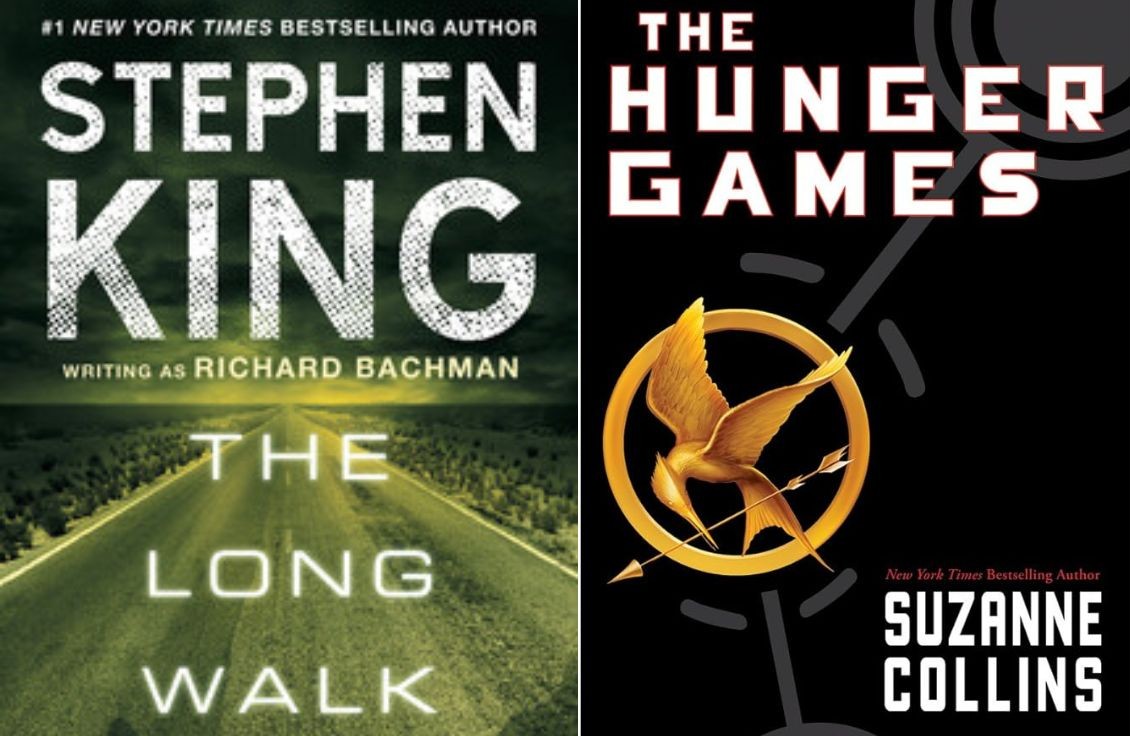
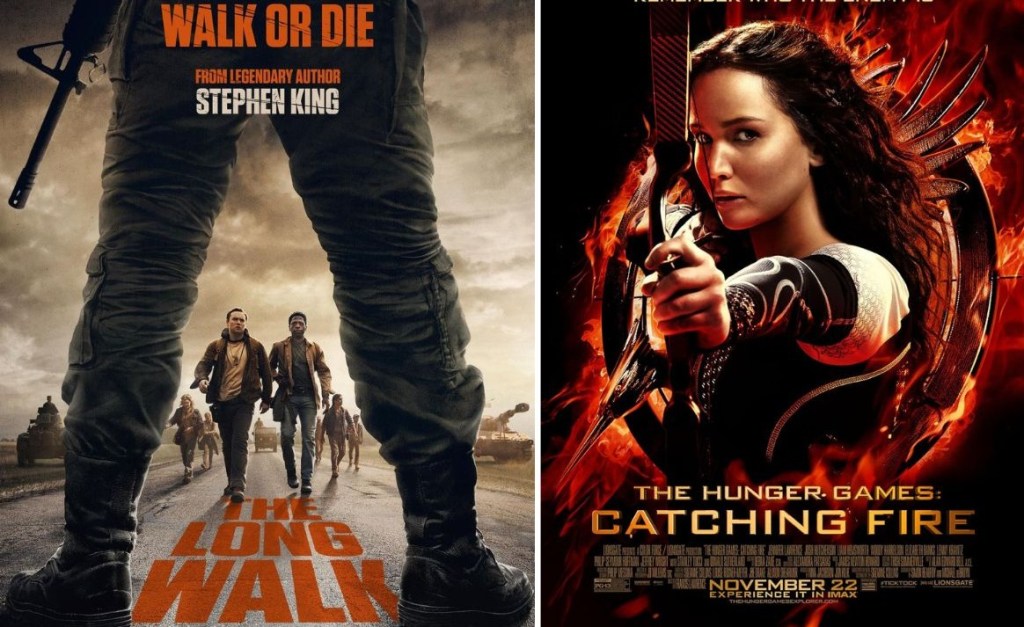
The Long Walk and The Hunger Games are Two Sides of the Same Dystopian Coin
Stephen King’s The Long Walk is classified as horror, while The Hunger Games is young adult dystopian fiction. But if look beyond the labels, both deal with the horror of governments that pit children against each other.
Every book on this list is from an author with genuine talent. Doing too much is not the same as writing badly. It simply reflects the moments when ambition goes beyond the boundaries of the page. These choices can still entertain and move readers. Sometimes a writer’s willingness to go big is what makes their work unforgettable. Other times, it pushes the story into territory where the reader catches themselves whispering, this is a lot. But that is part of the joy of reading. Authors take swings. Sometimes they strike gold. Sometimes they swing too wide. Either way, the reader gets a story worth talking about.



 Screen Rated