
Before streaming took over, these shows made cable the sci-fi destination
Apple TV has become a premier destination for high-quality science fiction. From space operas to near-future thrillers, it has pulled in creators who love big ideas and polished storytelling. But there was a time when the Syfy Channel carried that torch on basic cable. Week after week, Syfy served up inventive genre shows that built communities, shaped fandoms, and kept the flame of thoughtful science fiction alive. The budgets were not always huge, yet the imagination was. Practical effects blended with early digital wizardry. Writers took chances. Viewers discovered strange new worlds between commercials for energy drinks and console games.
If you grew up during that era, you remember the feeling. A quirky artifact caper on Monday. A small town bubbling with mad science on Tuesday. An offbeat alien drama with a hidden Western heart on Wednesday. These shows made the Syfy Channel a destination. They did it with character-based stories, playful world-building, and the kind of weekly cliffhangers that had you texting your friends as the credits rolled. Below are ten of the greats that made Syfy a prime home for science fiction back in the day.
10. Warehouse 13
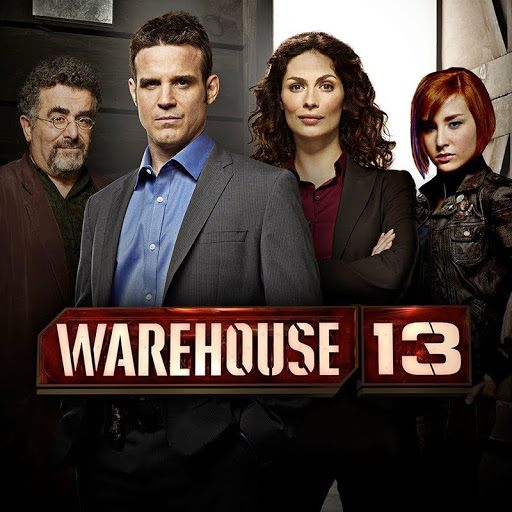
Warehouse 13 was comfort food for genre fans. Two Secret Service agents get reassigned to a secret storage facility in South Dakota that houses dangerous artifacts powered by history and human emotion. Each episode mixed a monster-of-the-week energy with witty banter and found family vibes. The show worked because it cared about the people as much as the artifacts. The chemistry between the leads carried the humor. The mythology deepened over time. Guest stars from across sci-fi and fantasy popped in to play. It was a reminder that genre can be warm and cozy while still delivering stakes and wonder.
9. Eureka
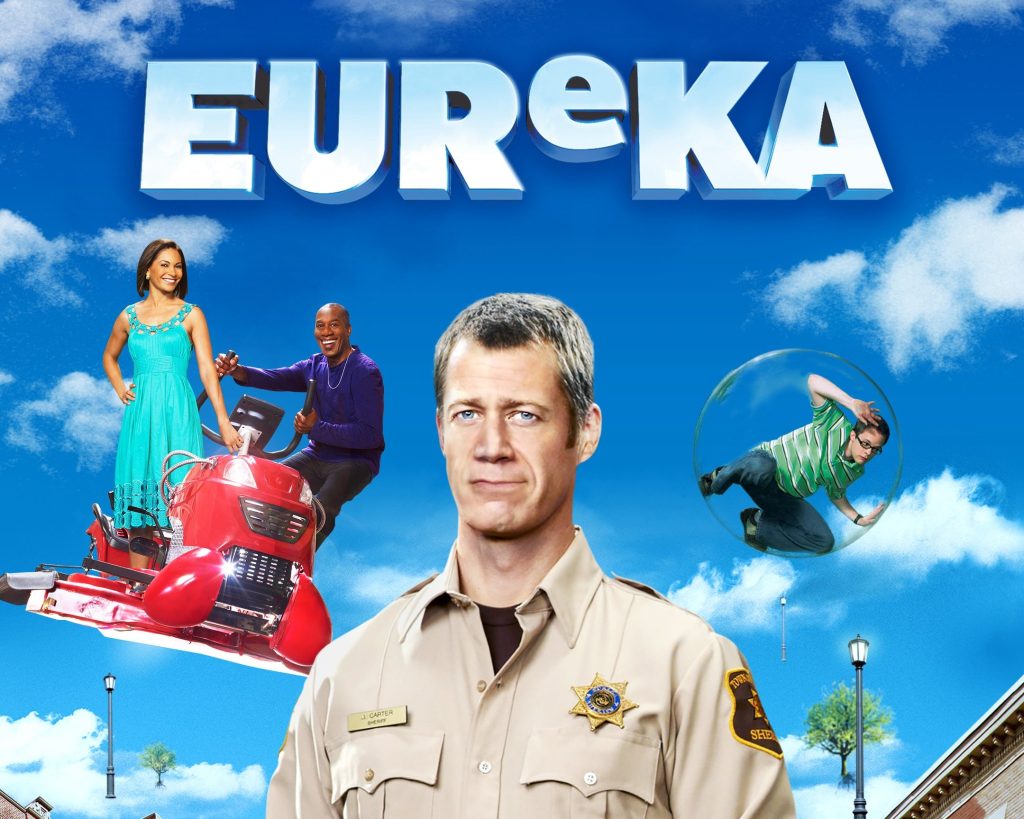
Eureka imagined a hidden town in the Pacific Northwest where the country’s brightest minds live and experiment. The local sheriff, an outsider with common sense, solved problems when inventions went sideways. The series delivered upbeat science antics with real heart. The tone stayed hopeful even when a wormhole opened or a lab accident froze the town in time. Eureka celebrated curiosity. It showcased scientists as neighbors and friends who sometimes needed a steady voice to keep them grounded. For many viewers, it was a gateway to loving science in the first place.
8. Defiance

Defiance took the frontier town template and folded it into a postwarEarth reshaped by alien terraforming. Humans and several alien species tried to build a future in the ruins of St. Louis. Politics, family drama, and shootouts collided with a rich soundtrack and a unique transmedia experiment alongside an online game. The show excelled at culture clash storytelling. It asked what community means when no one can go back to what they were before. Defiance was messy in the best way, alive with clashing values and found loyalty.
7. Haven
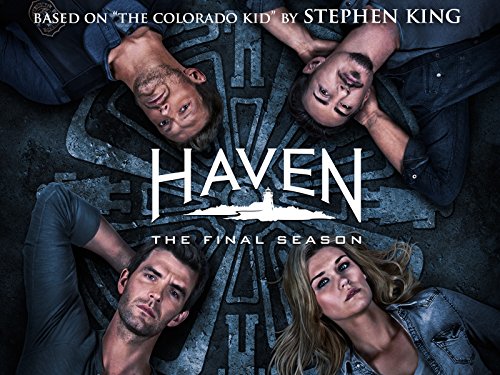
Haven started as a Stephen King-inspired mystery about a coastal town where people suffer from “Troubles,” strange afflictions that manifest as supernatural abilities with a personal cost. A compassionate FBI agent arrives and slowly learns how deeply she is tied to the town’s fate. Haven blended the case of the week plotting with a long arc romance and a puzzle box mythology. What made it stand out was empathy. Every Trouble was an emotional wound turned outward. The show cared about healing as much as spectacle.
6. The Magicians
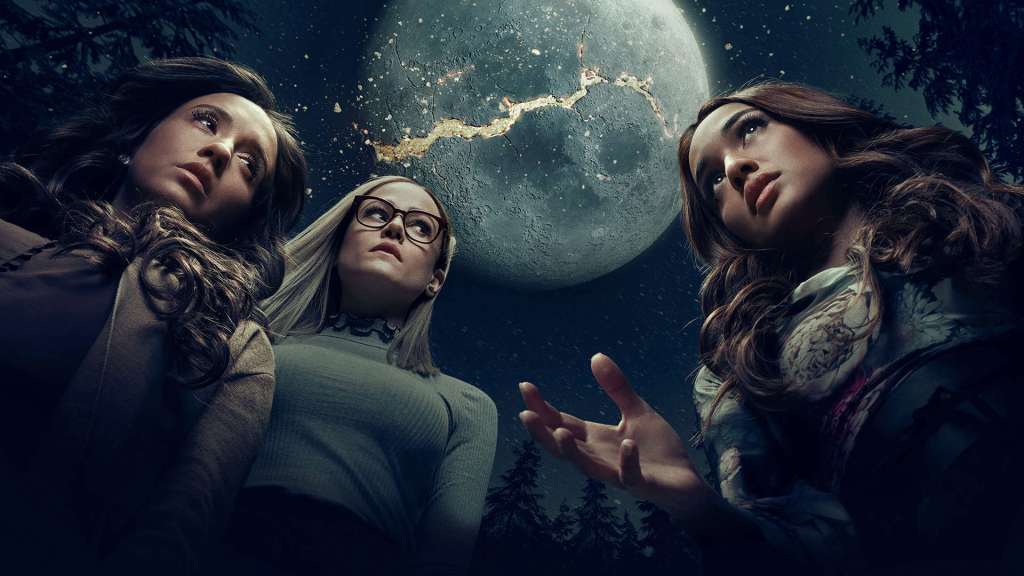
The Magicians arrived with a point of view. Magic is real, but it is hard, dangerous, and wrapped in adult consequences. A group of students at Brakebills discovers that the fantasy world from their favorite childhood books is real and broken. The show played with genre expectations, dropping musical episodes next to trauma grounded arcs and sharp talk about consent, power, and grief. It never lost its sense of wonder even as it confronted harsh truths. The writing room loved character growth and moral puzzles, which made the big swings land.
5. 12 Monkeys

Time travel shows often get tangled in their own wires. 12 Monkeys embraced the knot and then found a way to tie it off cleanly. Loosely based on the film, the series deepened the mythology and humanized its leads. A scavenger from a plague ravaged future teams up with a present-day virologist to stop the apocalypse. The show layered cause and effect puzzles with a heartfelt romance and a meditation on fate. Smart plotting, strong performances, and a grand payoff in the final season helped it become one of Syfy’s most satisfying long-form stories.
4. Farscape

Wild, weird, and gloriously alive, Farscape followed astronaut John Crichton, who got flung through a wormhole and landed on a living ship with a crew of alien fugitives. It was puppets, prosthetics, and raw feeling. The Henson creature work gave the show a tactile texture. The writing scaled from zany body swap comedy to wrenching tragedy without losing its soul. Love stories grew in the cracks of cosmic battles. Farscape dared to be strange and was richer for it. Many modern space shows owe it a debt.
3. The Expanse
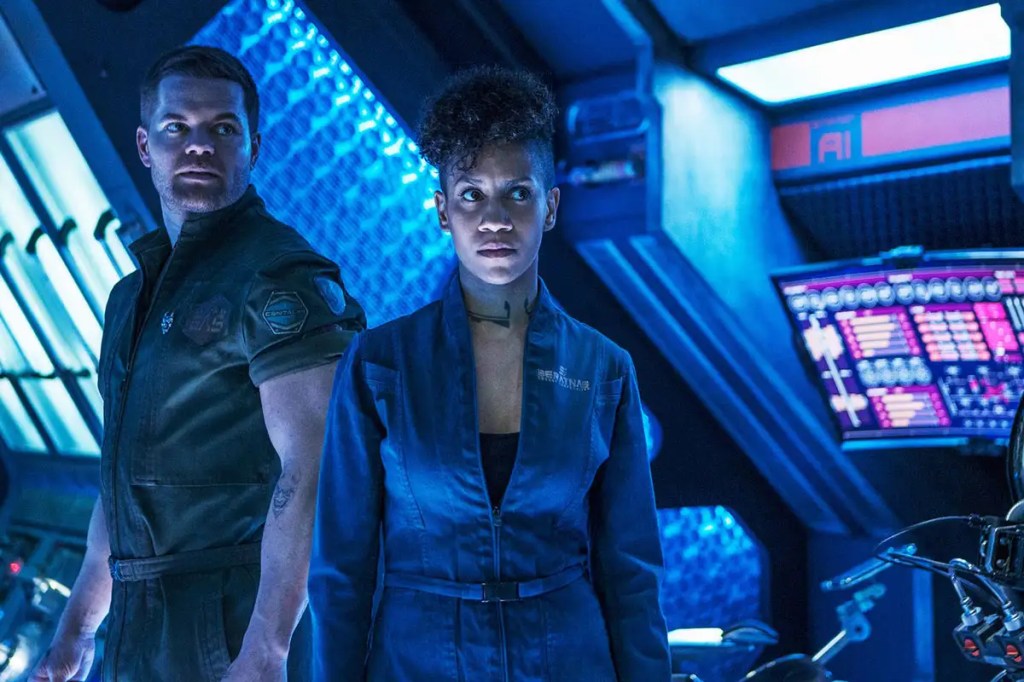
The Expanse began life on Syfy and carried a blend of hard science, noir mystery, and solar system politics that felt fresh. Earth, Mars, and the Belt balanced on a knife’s edge while a small crew on the Rocinante uncovered a conspiracy that could rewrite life itself. The show respected physics and the limits of human bodies. It also respected the reality of power. Belters fought for dignity. Martians fought for purpose. Earthers fought to keep what they had. The early Syfy seasons established the tone and scope that later years built upon.
2. Stargate SG-1

SG 1 delivered a shared language for a generation of fans. It took Roland Emmerich’s film and spun it into an episodic adventure about a military science team that explores a network of alien gates. The show blended archaeology, tactical missions, and witty character beats. It built a deep bench of recurring allies and enemies. It birthed spinoffs, conventions, and a fan culture that endures. SG 1 proved that television science fiction could be optimistic, disciplined, and endlessly curious about what lies on the next world.
1. Battlestar Galactica

Battlestar Galactica was the crown jewel. It reimagined a campy classic as a bleeding edge drama about survival, faith, identity, and the cost of leadership. The last survivors of humanity fled across space while pursued by relentless enemies who looked like us. The show married political allegory with pulse-pounding action. It dared to let people be flawed and still worthy of love. The filmmaking felt urgent. The writing took risks. The result was a cultural moment that helped usher in the prestige era for genre storytelling.
These shows did more than fill a schedule. They built habits of weekly viewing that streaming has transformed. They trained audiences to expect character development with their spaceships and humor within their horror. They proved that science fiction can speak to everyday life, even when the setting is light years away. Many current Shows walk paths first cleared by these series.
When people praise the current boom in quality science fiction, they should remember the groundwork. Syfy took chances on concepts that did not fit neatly into one box. It offered room for shows that mixed tones, blended subgenres, and trusted viewers to keep up. The fan communities that grew up around these worlds have carried that energy forward. They write, create art, podcast, and welcome newcomers who find the shows through streaming years later.




 Screen Rated