
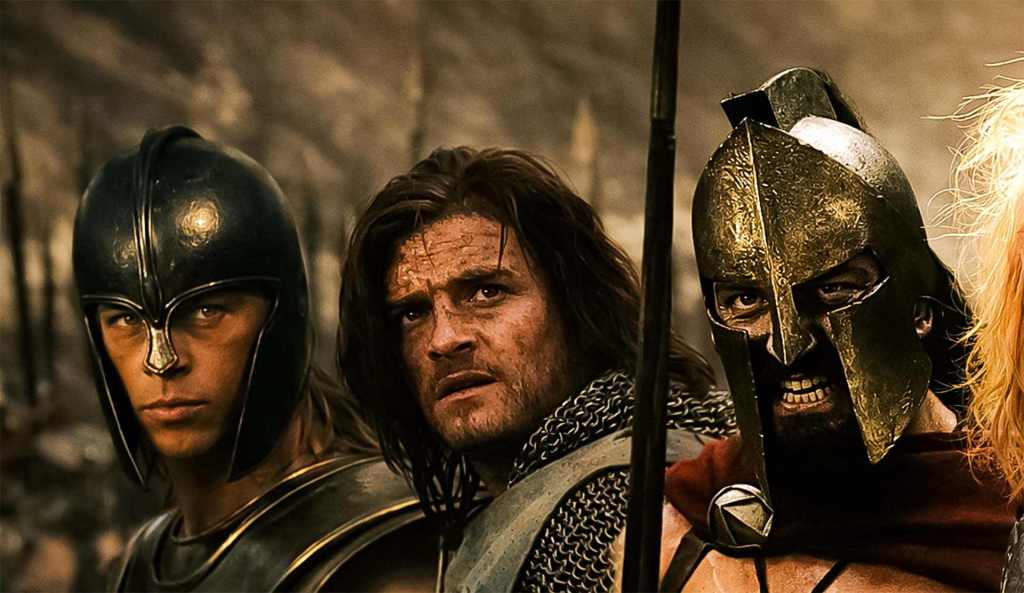
There’s something timeless about a moment just before battle. Everyone involved knows that some of them won’t be walking away. And then someone speaks.
War chants and pre-battle speeches exist in almost every culture because they serve the same purpose. They take fear and give it shape. They take chaos and give it meaning. These are the eight best battle speeches and chants that gave us chills.
Prefer watching instead of reading? I’ve put together a video breakdown below
Number 7, INDEPENDENCE DAY
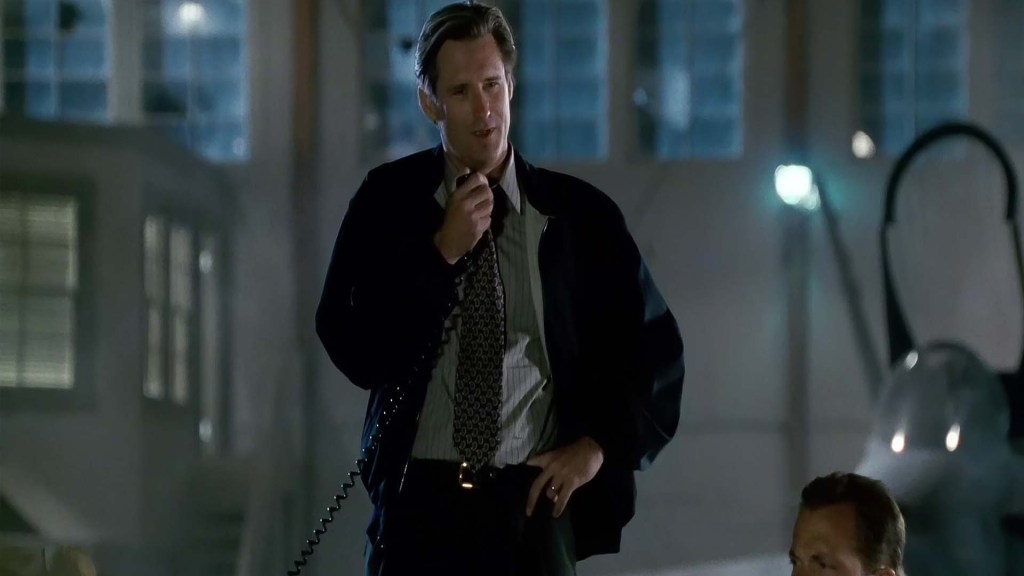
The speech before the final battle in Independence Day is famously grand, unapologetically emotional, and perfectly tailored to its time, and that’s exactly why it still hits decades later.
What the president does here is smart. He redefines the fight as something bigger than nations, borders, or politics. It’s humanity standing at the edge of extinction and deciding, collectively, that today isn’t the day we roll over. He takes a global crisis and turns it into a shared human moment, using language that’s intentionally inclusive.
And yeah, it’s dramatic and idealistic. It’s borderline corny if you’re feeling cynical. But that sincerity is the point. The film commits fully, without irony or apology, and the speech becomes the anchor of the movie.
Number 6, TROY
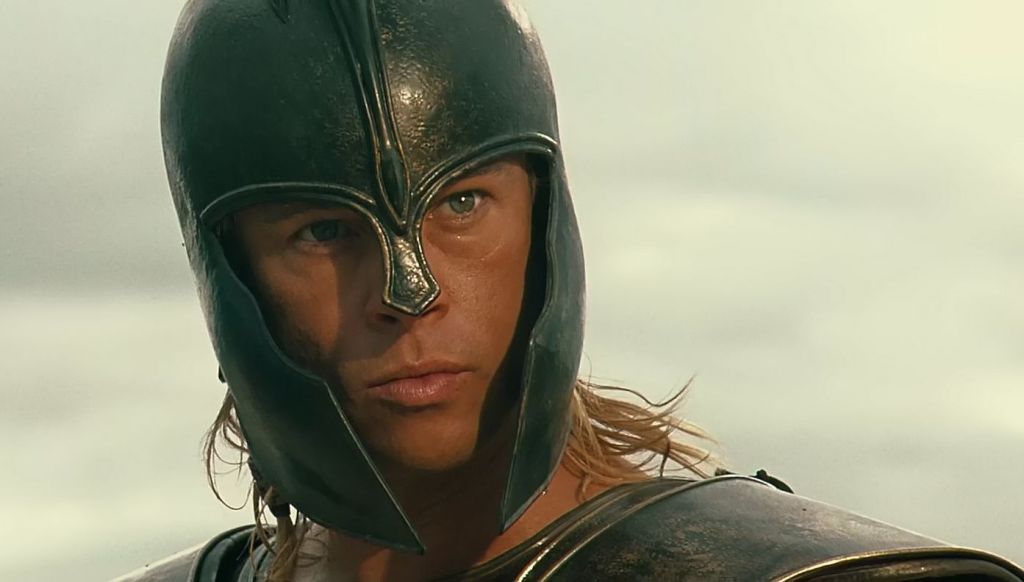
Troy takes a very different route, and it works because it refuses to play by the usual rules. Achilles doesn’t give a rousing speech. He simply exists in the space before combat with absolute certainty. His words land with force because of who he is speaking to — men who already know war and do not need it explained. He isn’t promising safety. What he offers them is a chance to be remembered. Achilles is not chasing honor in the moral sense. He is chasing legend, and he invites his men to carve their names alongside his. The speech works because it is honest about that desire. Immortality through reputation is the promise. And for warriors like them, that is more than enough to make them jump into the surf and charge the beach without hesitation.
Number 5, KINGDOM OF HEAVEN
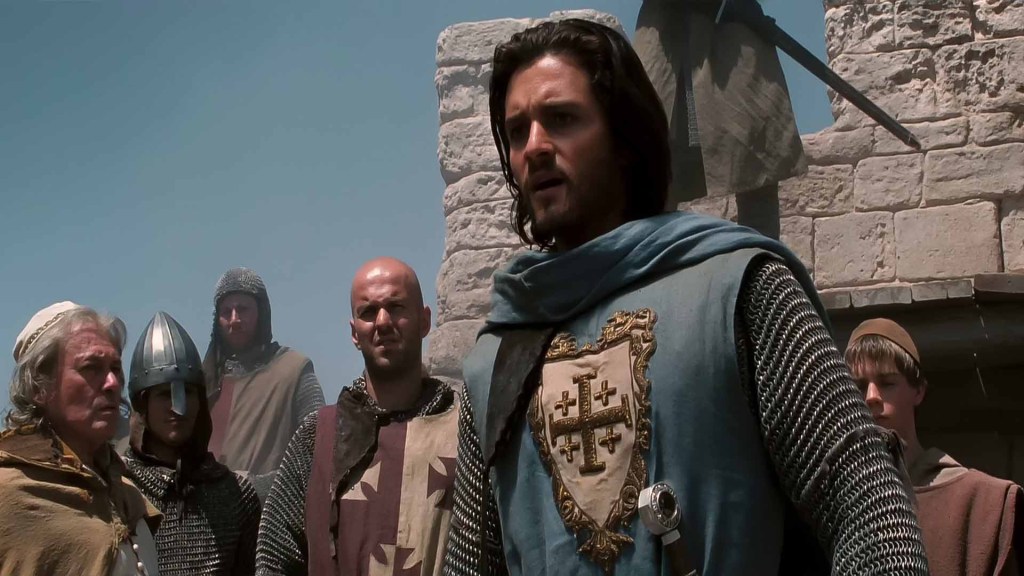
Kingdom of Heaven delivers a quieter, more grounded pre-battle speech, and that restraint is exactly why it works. Balian’s address before defending Jerusalem isn’t about glory or conquest. It’s about responsibility. He speaks calmly, deliberately, and without theatrical flourish.
What makes this moment compelling is its moral weight. The soldiers listening understand that the odds are against them. Balian doesn’t sugarcoat that. Instead, he offers purpose. Fight not because victory is guaranteed, but because surrender would betray who they are.
Number 4, 300
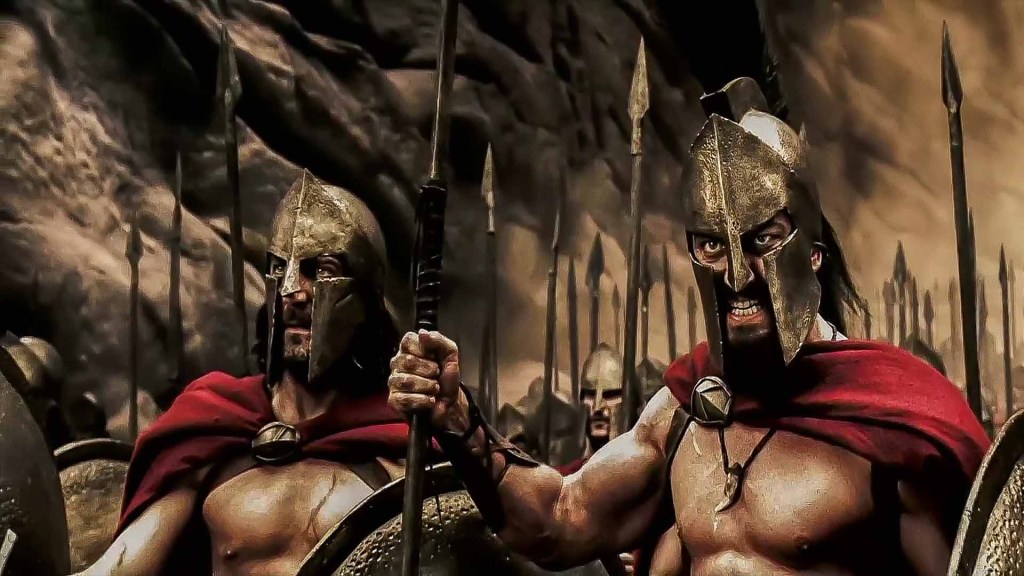
300 approaches the idea of a war chant differently than most films. The entire movie is a speech. From the beginning there is a voice over from Dilios telling the tale of Spartan King Leonidas to the gathered forces of the Spartan army. That framing changes how every pre battle moment lands. The story itself becomes the chant. The narration becomes the drumbeat. The Spartans do not need convincing.
Their chants, shouts, and responses reinforce who they are and why they stand there. Every line spoken before combat feels like a reaffirmation because they were raised for this single purpose. What sets this apart is the idea of fearlessness as cultural programming. By the time Dilios finishes telling the story to the assembled Spartans, you realize the movie has done exactly what a war chant is meant to do. It has prepared an army for battle through memory, repetition, and myth.
Number 3, BRAVEHEART
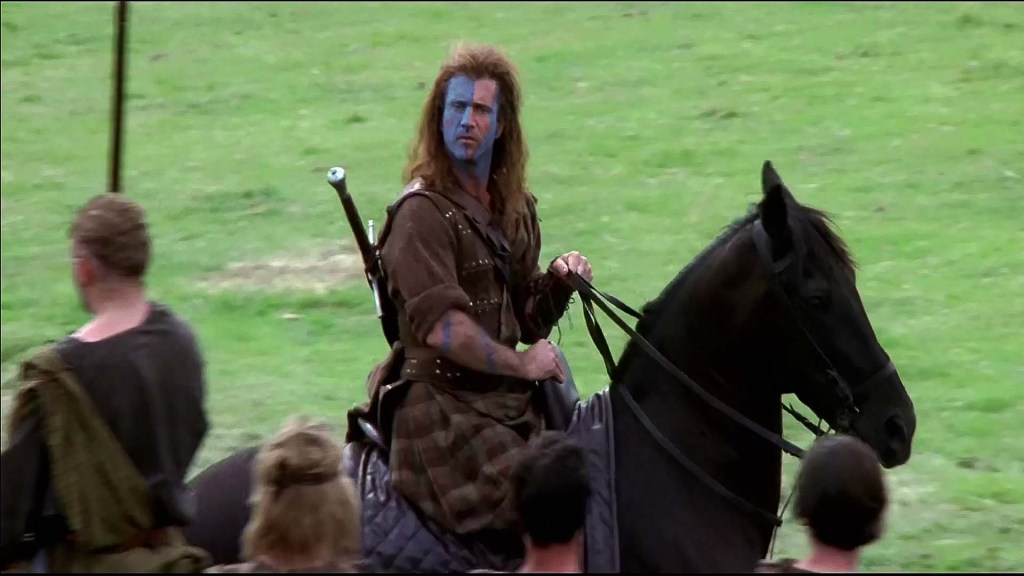
William Wallace’s speech before the Battle of Stirling is raw, emotional, and intentionally chaotic. It doesn’t sound polished. It sounds improvised, which makes it feel real.
Wallace isn’t a general. He speaks like a man who understands exactly how afraid everyone around him is. He mocks the idea of obedience. He challenges the fear that’s holding them in place. He reframes death as inevitable but submission as far worse.
What makes this speech effective is its conversational tone. He’s reacting to the crowd in real time and lets them shout back. And when he lands on freedom, it feels gained rather than forced.
The result is one of the most quoted battle speeches in film history, not because it’s poetic, but because it feels honest. Fear is acknowledged. Death is accepted. The line is drawn anyway.
Number 2, THE LORD OF THE RINGS: THE RETURN OF THE KING
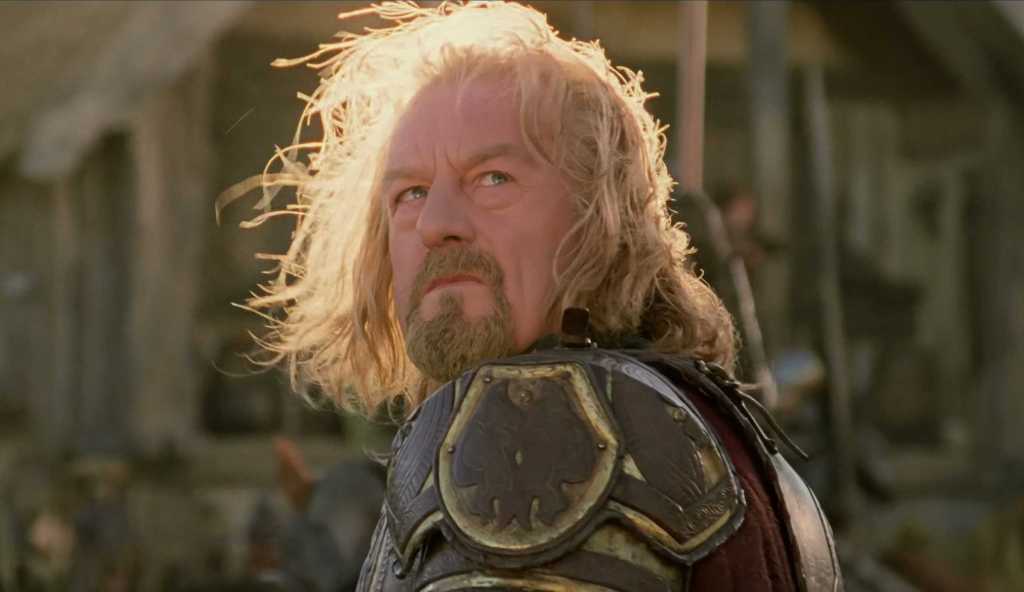
King Théoden’s speech before the charge of the Rohirrim is one of the most iconic moments in modern fantasy cinema. Théoden isn’t speaking to an army that expects to win. Everyone present understands that they are riding into near-certain death. And yet Théoden doesn’t deny that reality; he acknowledges it head-on.
His words escalate deliberately, from resolve, then defiance, then fury. When he cries out, “Ride now… ride to ruin and the world’s ending,” he’s not promising survival. He’s reframing death as an act of meaning rather than defeat.
What elevates the speech is how personal it feels. Théoden isn’t some untouchable legend. He’s an old king who has lost much of his hope and much of his kingdom. This speech feels like a man choosing how he wants his story to end.
Number 1, THE 13TH WARRIOR
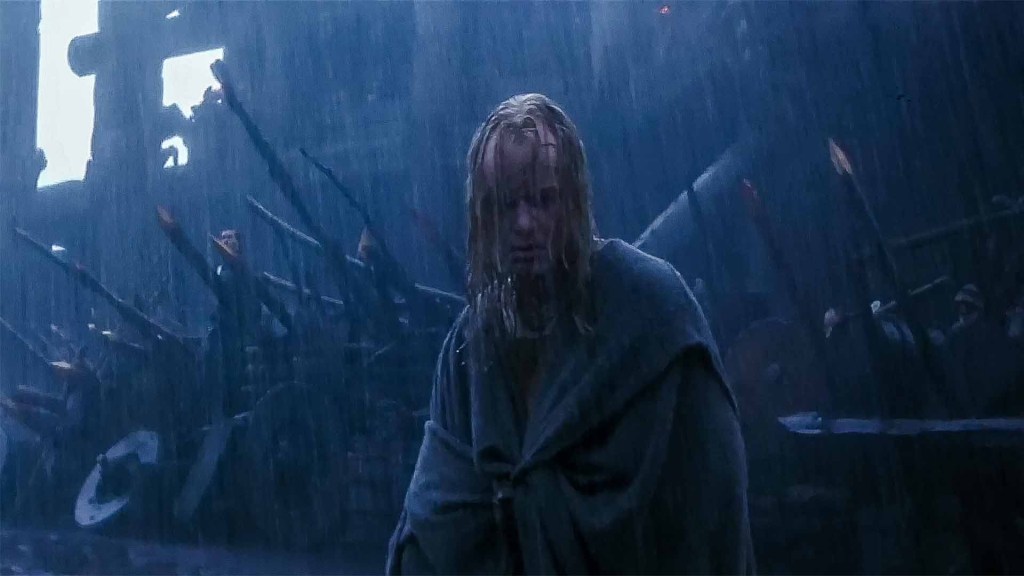
The 13th Warrior delivers one of the most chilling pre-battle rituals ever put on screen, precisely because it doesn’t sound like a speech at all. There’s no rallying cry about victory. No promises of survival. What you get instead is a chant that feels ancient, communal, and deeply unsettling.
In Norse belief, dying with weapon in hand earns you a place in Valhalla, where fallen warriors feast and fight forever. So the chant becomes a mental switch. Once they accept death, fear loses its power. That theme comes full circle with Buliwyf’s death song. When he drags himself outside and begins reciting, “Lo, there do I see my father,” it’s not desperation. It’s certainty.
What makes this scene even more memorable is Ahmad e-bin Fadlan’s perspective. He’s an outsider, a scholar, a poet, someone who didn’t grow up with this worldview. Watching him slowly realize that this chant is a form of psychological armor, and then join in anyway, makes the moment even more powerful.
War chants and battle speeches work because they reveal something essential about the characters delivering them. Whether loud or quiet, poetic or blunt, they capture the moment when fear is acknowledged and overcome. And that moment, more than any clash of swords, is where stories become legend.



 Screen Rated
Leave a comment