
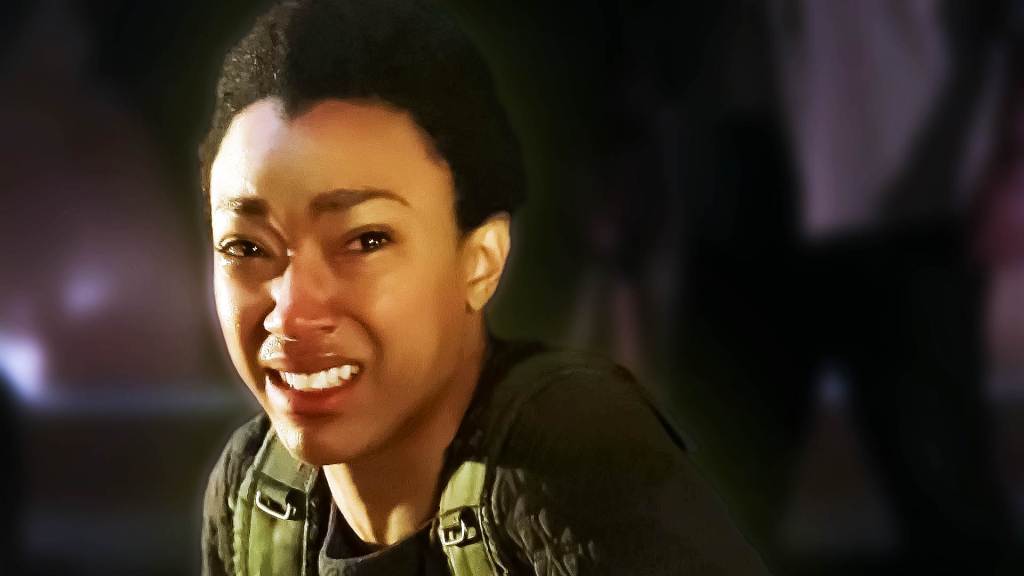
This is something that I think every single one of you has experienced at least once. It’s that gut-punch moment where you’re sitting there watching a movie or a TV show, and something happens that makes you want to throw your remote across the room… even though you KNEW it was coming.
Maybe you read the book. Maybe you know the myth. Maybe you saw the trailer and put two and two together. But it doesn’t matter, when the moment hits, it HITS hard. And you’re devastated all over again like you didn’t see it coming from a mile away.
These are the scenes that filmmakers and showrunners put on screen, and audiences collectively lost their minds over, not because it was a surprise, but because of how they did it.
These are the top 5 scenes from movies and tv shows that pissed us off… even though we knew exactly what was going to happen.
5. ACHILLES’ DEATH from Troy
This one goes back literally thousands of years.
The story of the Trojan War is one of the most well-known tales in all of human history. Homer’s The Iliad has been required reading in schools for generations. So, when Wolfgang Petersen’s Troy hit theaters in 2004, audiences weren’t exactly walking in blind. We knew how this story ended.
But knowing something and seeing it are two completely different things. Because what made it sting, what really got under people’s skin, wasn’t just the death itself. It was who delivered it. Prince Paris.
The man who started the entire damn war by running off with another king’s wife. The same man who, in one of the most embarrassing moments in all of cinema, challenged King Menelaus to a one-on-one duel to settle the conflict, and then, when Menelaus started winning, literally crawled on his hands and knees to hide behind his brother Hector. This guy. Prince Paris. THIS guy is the one who gets to be the one who brings down the greatest warrior in history?
Prefer watching instead of reading? I’ve put together a video breakdown below
And here’s the kicker, Hector was the honorable one. Hector was the noble warrior who fought for his family, city and people,. And he was killed by Achilles in a grief-fueled rage. But Paris? Paris gets to survive and shoot the fatal arrow?
We were furious. Not because it was a twist. But because Greek mythology had the audacity to be that cruel, and the filmmakers had the audacity to make you feel every bit of it.
The legend of Achilles is so powerful because he was essentially superhuman, nearly invulnerable, the peak of what a warrior could be, and in the end, he wasn’t brought down by a worthy opponent in glorious combat. He was taken out by a coward with a lucky shot. A coward who, by the way, was himself killed shortly after by a poisoned arrow without much fanfare.
Justice? Sort of. Satisfying? Absolutely not. That’s mythology for you. And that’s why this scene still makes people’s blood boil nearly twenty years later.
4. GLENN’S DEATH from The Walking Dead
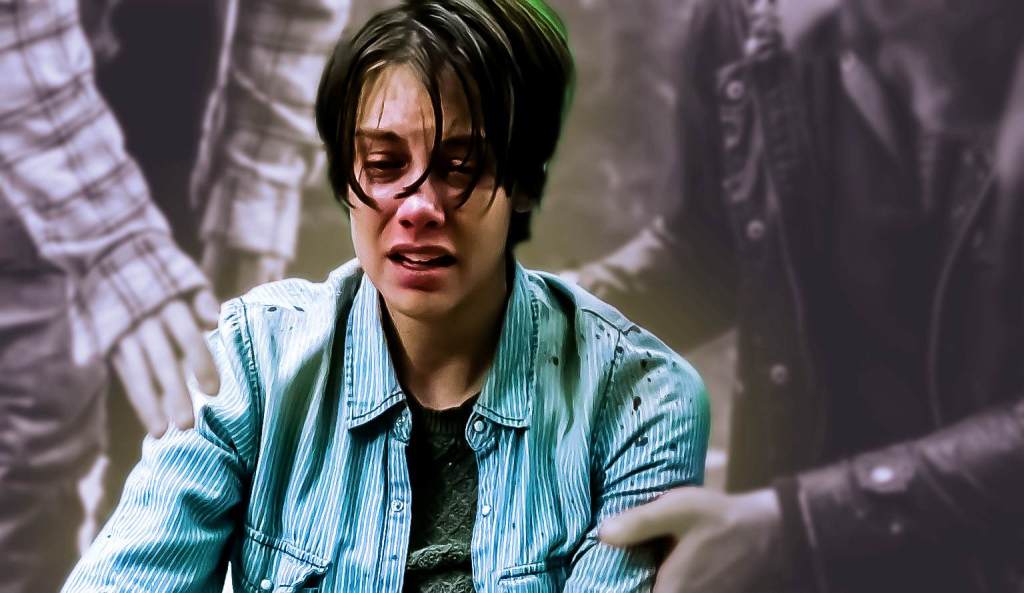
If you watched The Walking Dead, Glenn was arguably the heart of the entire show. We’re talking about a guy who, from the very first episode, was the voice on the other end of the radio that saved Rick Grimes when he was trapped inside a tank in the middle of zombie-infested Atlanta. That was Glenn. A pizza delivery guy from before the apocalypse who somehow became one of the most capable, most decent human beings in a world that had completely stopped rewarding decency.
He was kind when kindness was dangerous. He was optimistic when optimism seemed delusional. And he found love, real love, with Maggie. He was the guy you rooted for because he was the guy who still believed in something.
Now, if you read Robert Kirkman’s graphic novel that the show was based on, you knew. You knew Glenn’s death was coming. Negan and his barbed wire bat Lucille were coming, and fans of the comics had been dreading it for years before the show got there.
The showrunners even played games with the audience in episode 3, Season 6, faking Glenn’s death in that dumpster scene, which in hindsight felt almost cruel, like they were getting you comfortable, making you think “okay they’re not going to do it, they changed it.”
They did it. Season 7, Episode 1. Negan lines everyone up. And when Lucille finally comes down, it’s on Glenn. And it is graphic. It is brutal. It is not quick. And the camera doesn’t look away.
The internet erupted. Millions of viewers were angry. Not surprised, angry. Because there’s something uniquely devastating about watching someone as genuinely good as Glenn meet an end that violent. It felt almost like a punishment for being decent in a world that had no use for decency anymore.
And here’s what’s really fascinating, the showrunners themselves later admitted they didn’t fully anticipate the impact that moment would have on the show’s viewership. Because after that episode, the ratings for The Walking Dead began a decline they never recovered from. Millions of viewers tuned out. Not because they were shocked, but because losing Glenn broke something. He was the reason a lot of people kept watching, and without him, the show lost its emotional center.
The death everyone saw coming ended up being the beginning of the end for one of the biggest shows on television. That’s not nothing. That’s legacy.
3. NED STARK’S EXECUTION, Game of Thrones
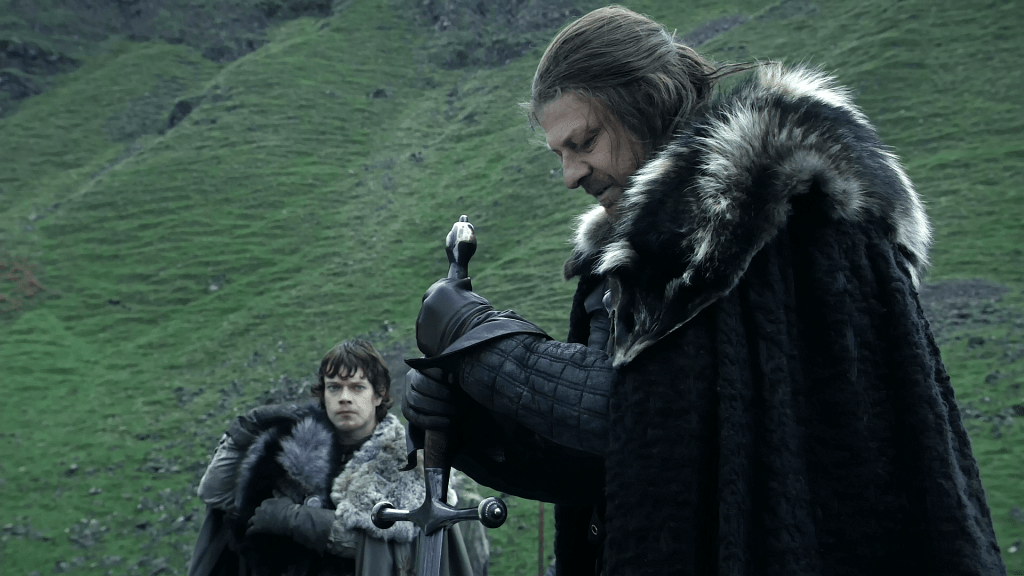
This moment rewrote the rules of television. Before Game of Thrones, there was an unspoken contract between storytellers and audiences. An agreement that had been honored for decades across fantasy, adventure, and drama alike. The honorable man survives. The moral anchor makes it through. The hero, the actual hero, the one the story is clearly about, does not get his head cut off in episode nine of season one. Ned Stark was that man.
Sean Bean played him with this unshakeable dignity. Lord of Winterfell and the warden of the North. A man who rode into King’s Landing with nothing but his integrity and his belief that if you told the truth, if you did the right thing, if you trusted in justice then the system would protect you because the world was fundamentally ordered in a way that rewarded decency.
And the show let you believe that. It let you settle in. It gave you eight episodes of Ned being Ned and refusing to bend, lie, and never playing the game everyone around him was clearly playing.
But here’s the thing that makes this entry so fascinating on this list, the show was never actually hiding what it was doing. It was warning you the entire damn time.
Ned is surrounded by liars from the moment he arrives in the capital. Littlefinger tells him point blank not to trust him. Cersei tells him that in the game of thrones, you win or you die. The evidence was stacking up episode after episode that this world, this specific, brutal world, does not reward the kind of man Ned Stark is. It punishes him.
But we didn’t listen. Because we’d been trained not to. Decades of storytelling had conditioned us to trust that a man like Ned Stark was the protagonist, and protagonists don’t die in the first season. They survive long enough to set things right.
Then Joffrey changes his mind. And the sword falls. And the internet, I mean this quite literally, broke. People yelled at their screens. People rewound it convinced they’d misread the scene. Forums went into meltdown. There were viewers who genuinely believed there had been some kind of mistake, that the episode would cut back and reveal Ned was still alive. First-time watchers were inconsolable. Even people who had read George R.R. Martin’s book and knew it was coming reported feeling a kind of visceral shock watching it play out on screen with Sean Bean’s performance making it all too real.
The outrage wasn’t really about surprise though. It was about something deeper. It was about realizing that the show had been completely honest with you the whole time, and you just hadn’t wanted to believe it.
Ned’s death isn’t a plot twist. It’s a thesis statement. It’s the show standing up and telling you directly that this is what kind of story this is. Honour doesn’t win here. Mercy is a weakness that will be exploited. The game doesn’t care about your values.
Everything that follows in Game of Thrones, every betrayal, every brutal death, every moment where the character you were rooting for gets cut down or turned into a genocidal maniac flows directly from that chopping block in the Sept of Baelor. Ned Stark dying with his integrity intact is both the most heartbreaking and the most narratively important moment in the entire series.
The audience was pissed. Completely, understandably pissed. And the show had earned every second of it.
2. BOROMIR’S DEATH The Lord of the Rings: The Fellowship of the Ring
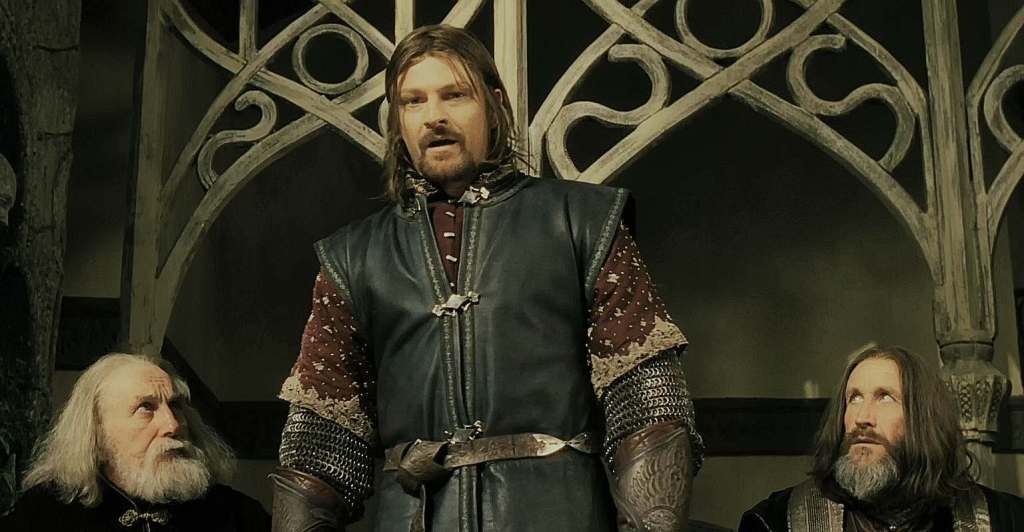
Here’s a fun fact before we get into this one. Sean Bean has died on screen so many times that there is an entire corner of the internet dedicated to cataloguing his cinematic deaths. The man has become something of a cultural shorthand, the moment he appears in a project, audiences start the countdown. It’s almost a running joke at this point.
So when Sean Bean showed up in The Lord of the Rings: The Fellowship of the Ring as Boromir, son of the Steward of Gondor, yeah, people had a pretty reasonable suspicion about how his story was going to end.
But here’s what makes Boromir’s death genuinely special, and genuinely painful, and genuinely infuriating in the best possible way, it’s not really about whether he dies. It’s about who he turns out to be in the moment that he does.
Because for most of the film, Boromir is the guy you’re not quite sure about. He’s the one who argued against going to Mordor in the first place. He’s the one whose eyes linger on the Ring a beat too long. He’s the one who snaps at Frodo, who pushes back against Gandalf, who carries this barely concealed desperation because he knows his city is dying and he believes, genuinely believes, that the Ring could save it.
Peter Jackson and the screenplay do a precise job of keeping you at arm’s length from Boromir. You don’t distrust him completely. But you watch him. You keep one eye on him. You’re waiting for the moment he breaks.
And he does break. At Amon Hen, he corners Frodo and tries to take the Ring by force. The thing you were worried about the whole movie happens. Frodo escapes by putting the Ring on, and Boromir is left standing there, suddenly horrified by what he just did. You can see the exact moment the fog lifts and he realizes what he’s become. Then the Uruk-hai attack. And everything changes.
Boromir doesn’t run. He doesn’t retreat. When Merry and Pippin are in danger, he charges in like a man who has decided, in that single moment, that the rest of his life belongs to something worthy. He blows the Horn of Gondor. He fights through wave after wave. And then the first arrow hits.
He goes down. He gets back up. Second arrow. He goes down again. Gets back up again. By the time Lurtz puts the third arrow into him, Boromir is running on something that isn’t physical anymore. He is still trying to swing his sword. Still trying to protect the hobbits. Still standing.
When Aragorn finally reaches him and kneels beside him, what follows is one of the most quietly devastating scenes in the entire trilogy. Boromir looks up and says, “My brother. My captain. My king.” And then he’s gone.
Audiences were wrecked. Not just sad, genuinely angry, the way you get angry when something feels unfair. Because Boromir spent the entire film being the character you quietly judged, the one you kept at a distance, the one you were ready to blame when things went wrong. And then in the space of about ten minutes, he turned into arguably the bravest member of the entire Fellowship.
That’s what made it hurt so much. The story waited until the absolute last moment to show you who Boromir really was underneath all that desperation and pride, and then it took him away before you could even fully process it.
You didn’t just grieve Boromir. You grieved the version of him you never got to know for long enough. The man he was becoming in those final minutes, full of arrows and still swinging, was someone you would have followed anywhere.
And the film only lets you have him for about two minutes before it’s over. That’s the cruelty of it. And that’s exactly why it still hurts every single time.
1. THE RED WEDDING from Game of Thrones
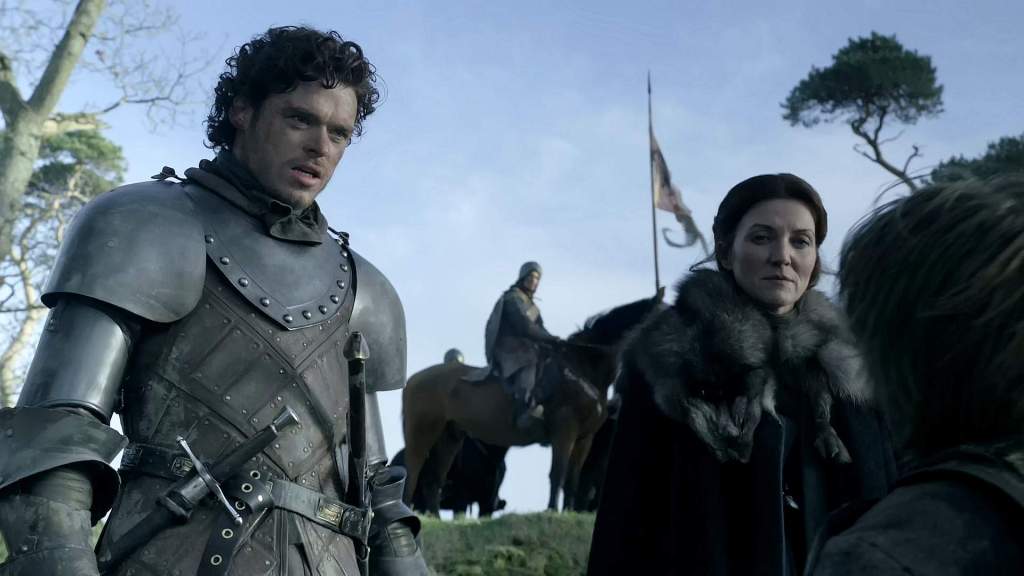
Book readers tried to warn people. They really did. In the years between George R.R. Martin publishing A Storm of Swords and the show finally reaching that chapter, fans of the novels developed this reputation for showing up in comment sections and forums with a kind of ominous, tight-lipped expression whenever someone mentioned Robb Stark’s campaign. They weren’t spoiling anything. They were just, watching. Waiting. Knowing.
And when Season 3 started airing and non-readers were excitedly talking about Robb’s momentum, his victories, his marriage, his growing army, book readers would just nod quietly and say things like “keep watching” and “I’m so sorry.”
Nobody listened. Nothing could have prepared them anyway. Because here is the specific genius and specific cruelty of the Red Wedding, it doesn’t work by surprise alone. It works by exploiting the relationship between the audience and the story that the show had spent three seasons carefully, deliberately building.
Think about what Game of Thrones had already done by this point. Ned Stark’s death at the end of Season 1 was the show’s opening statement. Its declaration of intent. It told every viewer clearly and loudly, this world does not protect the honorable. This world does not follow the rules you think it follows.
That lesson was learned. Audiences absorbed it. They recalibrated. And then, and this is the move that is almost architectural in its brilliance, the show gave them Robb Stark.
Young, fierce, undefeated in battle. The King in the North. He had his father’s honor but also his father’s stubbornness, and the show let you watch him build something that looked, episode after episode, like the foundation of a triumphant arc. He was winning. He was leading. He had a queen he loved, a child on the way, an army that believed in him. Narrative momentum was on his side and every storytelling instinct audiences had, instincts built from a lifetime of consuming fiction, said that a character like this was being set up for something.
They were right. Just not the something they were expecting. When the Stark party arrives at the Twins for the wedding feast, the show does something almost unbearably precise. It lets you relax. The tension of the journey dissolves into music and food and toasts. Robb and Catelyn share a quiet moment. There’s warmth. There’s relief. The doors close.
And then the music changes. If you were a book reader, The Rains of Castamere beginning to play was the moment your stomach dropped through the floor. Because you knew what that song meant. You knew what Frey hospitality was about to become. You sat there watching the faces of first-time viewers still smiling, still comfortable, knowing what was about to happen and completely powerless to stop it.
Then the crossbows come out from behind the curtains. What follows is not just shocking. It is systematic. The show doesn’t just kill Robb, it dismantles everything around him first. Talisa, his pregnant wife, stabbed repeatedly in the stomach. His direwolf killed in the kennels. His bannermen cut down in the courtyard. Catelyn, screaming, bargaining, a knife to Frey’s wife’s throat, making one last desperate play for her son’s life the way she had spent the entire series making desperate plays for her children. And Robb, crawling toward Talisa, already dying, unable to process what is happening fast enough to do anything about it.
Roose Bolton leans in close. “The Lannisters send their regards.”
The reaction was unlike almost anything television had produced before. People shouted at their screens. Viewers who had been watching alone called friends immediately after, unable to process it by themselves. Reaction videos went viral before reaction videos were even really a format, people set up cameras specifically to film themselves watching this episode because they wanted to document what they suspected was going to be significant. Social media didn’t just trend. It convulsed.
But here’s what separates the Red Wedding from a standard shocking death, and why it belongs at the top of this list. The anger wasn’t really about being surprised. The anger was about feeling personally betrayed by a story that you had trusted.
Game of Thrones had taught its audience to be smarter. Ned Stark dying meant viewers learned to stop assuming the honorable character was safe. People thought they had figured out the game. They stopped expecting traditional narrative protection. They told themselves they were watching with clear eyes.
And the show looked at all of that hard-won audience wisdom, and the careful emotional distance people had tried to maintain, and it walked straight through it. Because the Red Wedding doesn’t kill a character you were nervously protecting yourself from caring about. It kills the character you had allowed yourself to believe in again. The one whose momentum felt real. The one whose story felt like it was going somewhere.
The design of it is almost cruel in its precision. The show needed you to care about Robb completely and without reservation for the moment to work. So it spent two and a half seasons making sure you did. It gave you his victories and his love story and his grief over his father and his complicated relationship with honor, and then it used every single bit of that investment as the mechanism of your devastation.
Book readers tried to warn people because they had been through it themselves and they knew there was no preparing for it. The source material had done the exact same thing. Martin had pulled the same move on an entire generation of readers years earlier. The show followed the blueprint with surgical faithfulness.
The Red Wedding doesn’t just kill characters. It kills a certain kind of hope, the hope that caring about someone in a story means the story will protect them. That narrative momentum is armor. That a rising arc has to resolve in triumph.
It doesn’t. It never did. The show had been honest about that since Ned Stark’s head hit the ground. Audiences were furious because they forgot. Because the show made them forget on purpose.
And that is why, years later, the Red Wedding remains the single most viscerally upsetting scene in a series full of upsetting scenes, not because of what it did, but because of how completely, how personally, how deliberately it made you feel it.
The reason these scenes hit so hard, even when we see them coming, is because great storytelling doesn’t rely on surprise. It relies on inevitability. When a story is told well enough, you can know exactly where it’s going and still be completely destroyed when it gets there.




 Screen Rated
Leave a comment