
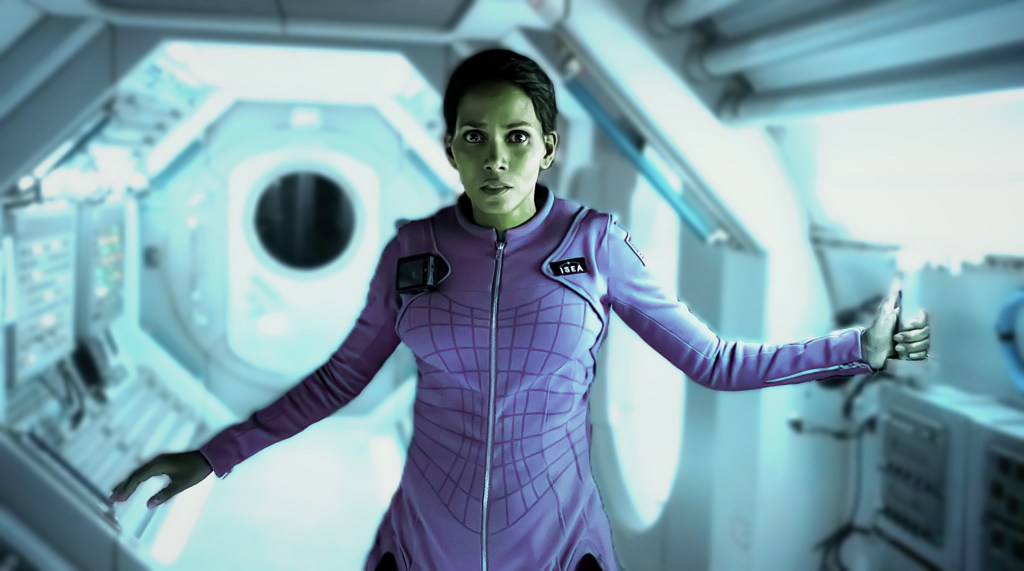
Every now and then, a genre show comes along with a great premise, strong characters, and just enough imagination to make you think it could have become something special, only for it to disappear before it ever had the chance to fully grow. Science fiction television has a long history of this. Some shows were canceled because of low ratings, some were mishandled by their networks, and some simply arrived at the wrong time. What makes it frustrating is that a lot of these series were not failures in any creative sense. They had good ideas, loyal audiences, and plenty of room left to explore.
That is what makes one-season or prematurely canceled sci-fi shows so memorable. They leave behind unfinished stories, half-open doors, and just enough potential to keep people talking about what might have been. These shows proved that a short run does not always mean a lack of quality. Sometimes it just means they were never given the chance they deserved.
Before getting into the list, one quick note about Firefly. Yes, it is the obvious pick for a topic like this, but I left it off for a reason. That cancellation always felt a little too clean. The series was shut down, then Serenity arrived in a way that made the whole thing feel less like a creative tragedy and more like a business pivot. That is not quite the same thing as a show being abandoned midstream with no real chance to finish what it started. This list is for the series that really were left hanging.
So, here are 10 sci-fi shows that never got the ending they deserved.
Prefer watching instead of reading? I’ve put together a video below.
Number 10 — The Crossing.
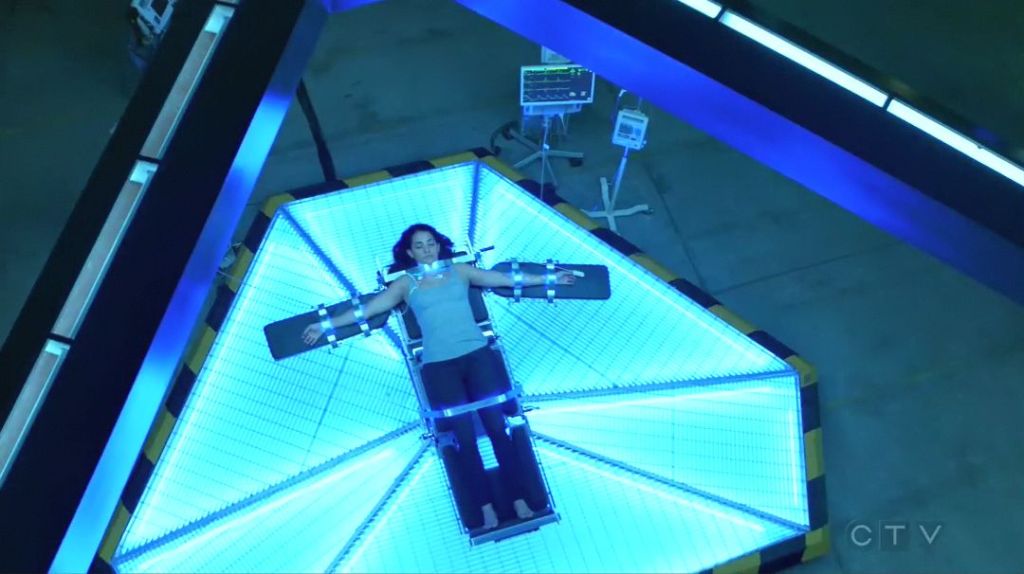
The Crossing had one of those premises that makes you sit up straight when you hear it. Refugees start washing ashore on the coast of a small Oregon town except they’re not from another country. They’re from the future. Specifically, they’re fleeing a war against an evolved strain of humanity that’s been systematically wiping out ordinary people, and they’ve decided that the past is their only shot at survival.
That’s a genuinely exciting concept. It’s part mystery, part immigration allegory, part sci-fi thriller, and it was moving fast. The tension between the refugees, the government, and the locals had a lot of room to grow, and the evolved humans called Apex were an interesting long-game antagonist. The show also had the good sense to make you care about specific characters before pulling the plot threads tight. And then ABC canceled it after one season.
The Crossing didn’t get the chance to answer its own questions, and it was asking good ones. What does the future actually look like? Who wins? Can it be changed? Is the Apex threat something that can be stopped, or is evolution just going to do what it does? All of that got left on the table. It’s not the deepest show on this list, but it was building toward something, and it deserved the chance to get there.
Number 9 — Extant.
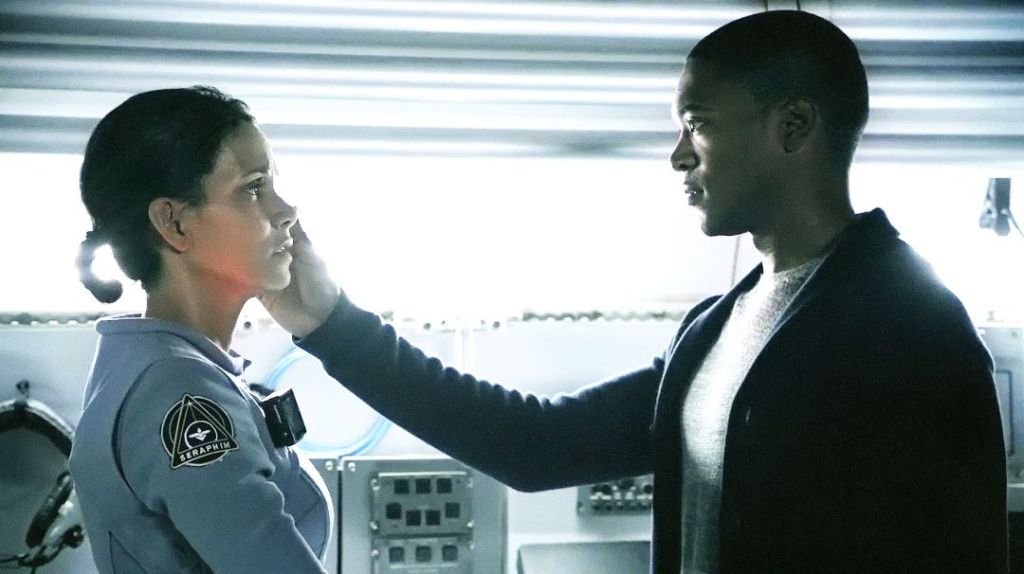
Extant came in with a legitimate hook: Halle Berry as an astronaut who returns from a solo thirteen-month space mission and discovers she’s somehow pregnant. That’s the kind of setup that earns your full attention immediately.
The show had real ambition. It was juggling a slow-burn mystery about what happened in space, a parallel storyline about humanoid robots and the ethics of artificial consciousness, and deeper questions about what makes someone human biologically, emotionally, and legally. It also had Halle Berry anchoring the whole thing with a performance that kept the show grounded when it threatened to spiral.
The problem is that it never quite found the right speed. Season one was tense and mysterious but cautious. Season two overcorrected in ways that didn’t always serve the story. It felt like a show constantly adjusting its approach instead of committing to one. And then it was gone before it could figure out what it actually wanted to be.
Extant had the cast, the premise, and the production value to be something genuinely great. It just needed the room to settle into itself, and it never got that.
Number 8 — Beyond.
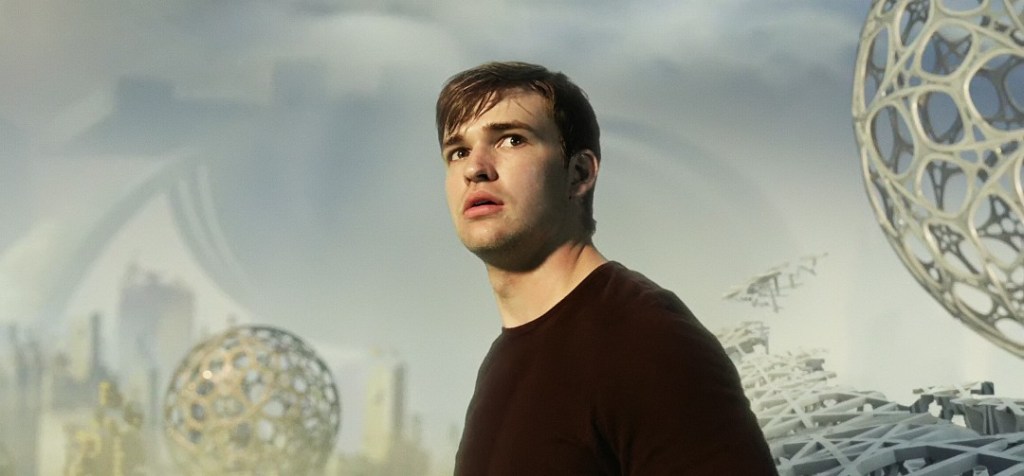
Beyond flew under the radar for most people, which is a shame, because it was doing something quietly compelling.
A twelve-year-old boy falls into a coma and wakes up twelve years later as an adult with no memory of the time he lost, and abilities he can’t explain. That’s already an interesting premise. But Beyond wasn’t content to just be a superpowers show. It was genuinely curious about what it would feel like to lose your adolescence entirely. To skip the years that shape you and resurface as a stranger in your own life, your own body, your own family.
The emotional core worked. The mythology surrounding where Holden went during those twelve years a dimension called the Realm kept getting more interesting as the show expanded it. The conspiracy layers built steadily, and the cast committed to the material in a way that made it easy to invest.
Freeform canceled it after two seasons on a cliffhanger, which felt especially unnecessary given how much groundwork the show had laid. Beyond wasn’t a cultural phenomenon, but it was a well-crafted piece of sci-fi television that deserved the chance to close its own loop.
Number 7 — Colony.
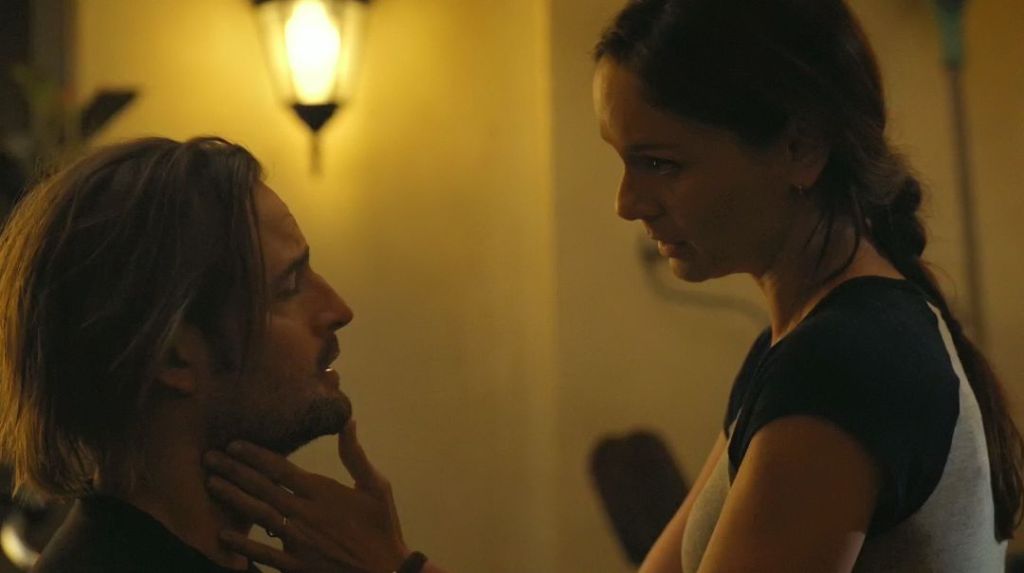
Colony had a premise that sounds straightforward until you actually watch it: Earth has been occupied by an alien force, and the story follows one family trying to survive inside a walled-off Los Angeles under the control of human collaborators. But the show was smarter than its logline. It was never really about the aliens. It was about what occupation does to people, how it forces impossible choices, fractures loyalties, and turns ordinary humans into collaborators, resistors, or something complicated in between.
Josh Holloway and Sarah Wayne Callies were excellent in the lead roles, and the show’s real strength was moral ambiguity. There were no clean heroes here. Everyone was compromised. Everyone was surviving. And the tension between doing what was right and doing what kept your family alive never let up.
Three seasons in, Colony was finally pulling back the curtain on the larger picture, the nature of the alien occupation, the scope of the resistance, what was actually happening to Earth. And then USA Network canceled it right as the story was about to exhale. Three seasons of slow burn and they cut it before the fire.
Number 6 — Odyssey 5.
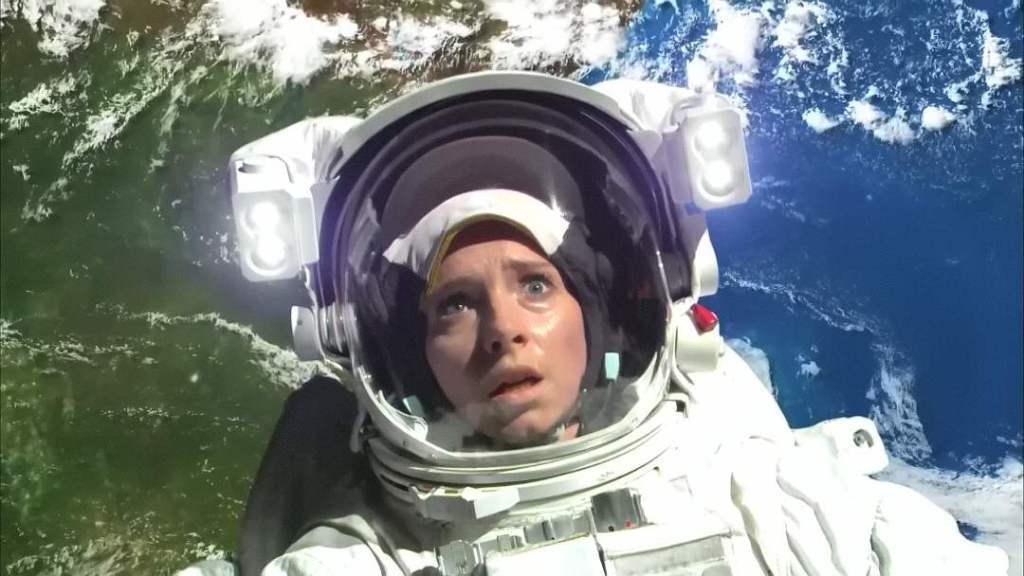
Stick with me on this one, because most people have never heard of it, and that’s exactly why it’s on this list.
Odyssey 5 aired on Showtime in 2002. Five astronauts aboard the space shuttle Odyssey witness the complete destruction of Earth from orbit. The planet just ceases to exist. And then an alien entity, one that’s been watching civilizations destroy themselves for a very long time, gives them a second chance. It sends them back five years into their own past with their memories intact and one mission: figure out what caused it and stop it.
Peter Weller led the cast, and the show used its premise brilliantly. It wasn’t just a race-against-time thriller. It was about five people who’ve seen the end of everything they love, trying to act normal, function in society, and prevent an apocalypse without anyone believing them. The paranoia was earned. The character work was strong. And the slow build toward what was actually behind the destruction, synthetic life forms that had quietly been infiltrating civilization, was genuinely chilling.
Showtime produced twenty episodes and then just… didn’t renew it. No announcement, no proper cancellation, just silence. The show ended mid-story on a cliffhanger that never got resolved. It’s been mostly forgotten for over two decades, and it absolutely shouldn’t be. Odyssey 5 was doing prestige serialized sci-fi before that was really a thing, and it got buried without a headstone.
Number 5 — Almost Human.
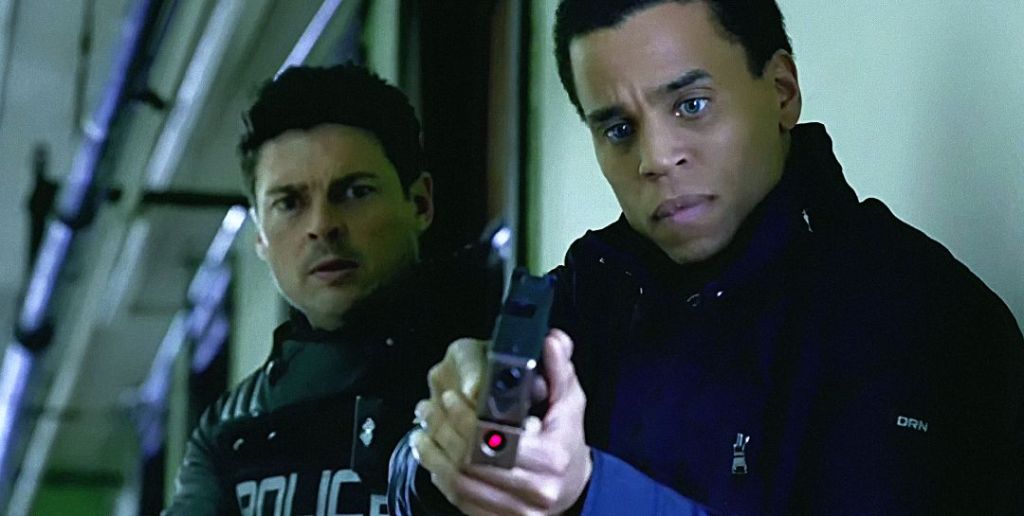
Almost Human had one of those premises that should’ve been an easy win. Near-future police procedural. Synthetic humans. A damaged detective with deep trust issues paired with a sardonic android partner who’s frankly more emotionally functional than most of the humans around him. That setup has room for action, social commentary, buddy-cop banter, and bigger questions about consciousness and what it means to be a person in a world increasingly run by machines.
What made it work was the chemistry between Karl Urban and Michael Ealy. The show understood that its real engine wasn’t futuristic gadgets or weekly cases, it was the push and pull between Kennex and Dorian. One man distrusts artificial life on principle. The other is technically artificial but behaves like a person. That friction gave the series genuine charm and emotional weight.
And then it just sort of stopped. The synthetic rights storyline needed more room. The corruption thread needed unraveling. Kennex’s trauma, the city’s social fractures, the uneasy coexistence between flesh and circuitry, all of it felt like the opening chapter of a much longer story. Instead, Almost Human now lives in that category of shows people bring up with a sigh and a distant look, like they’re remembering a relationship that ended because someone wasn’t ready. It deserved at least another season to become what it was clearly trying to become.
Number 4 — Wayward Pines.
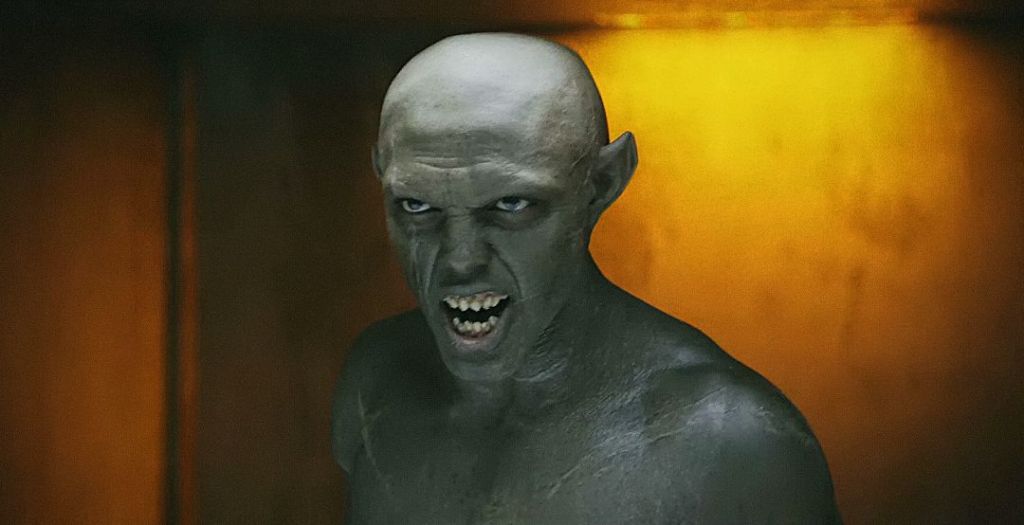
Wayward Pines had one of the strongest opening hooks in modern sci-fi television. A Secret Service agent arrives in a strange town, tries to leave, and slowly realizes the place isn’t just isolated, it’s a controlled reality with unexplained rules and consequences nobody escapes. The first season thrived on paranoia and that deeply uncomfortable crawling feeling that something is structurally wrong before the show tells you what.
And then it revealed the truth. To its credit, the reveal wasn’t small. It swung hard. Humanity had collapsed, the world had transformed beyond recognition, and Wayward Pines wasn’t a creepy authoritarian town, it was a desperate experiment at the edge of extinction. Suddenly this was a story about survival, evolution, control, and whether preserving humanity is still noble if you have to smother everything human to do it.
That’s what makes its unfinished feeling so frustrating. The bones were there for something much larger. The abbies, the world outside the walls, the fragile politics inside the town, the tension between order and freedom, all of it could’ve gone somewhere wilder and more meaningful. Wayward Pines didn’t need a polite fade-out. It needed something eerie, tragic, and deliberately unsettling. Something that made all that secrecy and future-shock mean something. Instead it feels like a town full of locked doors, with the most important one never opened.
Number 3 — now and again.
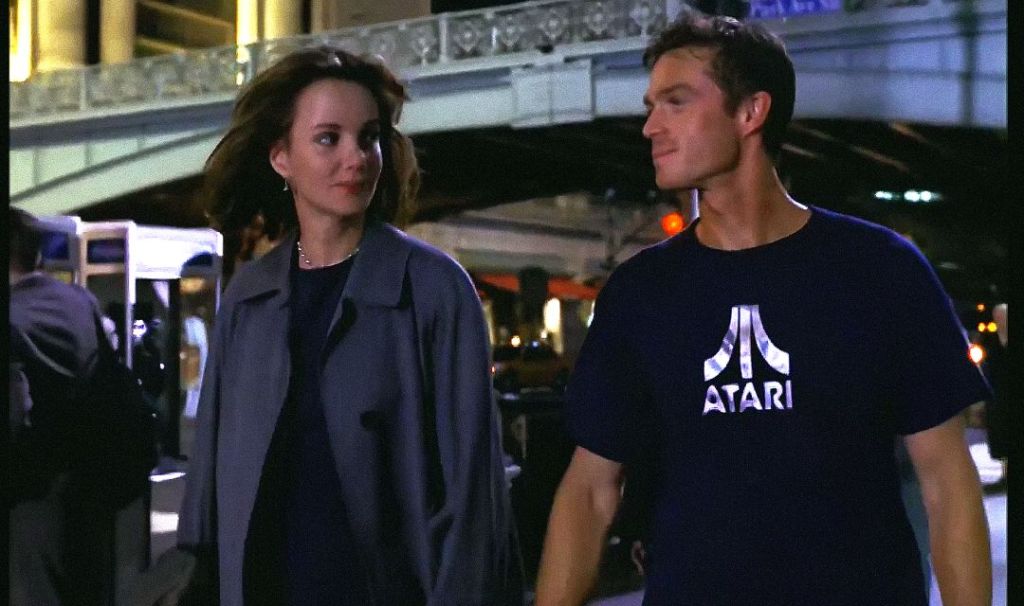
This has one of the most clever setup in late-90s television. Michael Wiseman is a middle-aged, overweight insurance salesman who gets killed in a subway accident. The government, which has been secretly engineering the perfect human body for covert operations, has a problem: they can build the body, but they can’t manufacture a functional mind. So they steal Michael’s brain, put it in this flawless physical specimen, and tell him he’s government property now. The catch, the only catch that matters, is that Michael refuses to stop loving his family. His wife and daughter think he’s dead. He’s very much not. And every mission, every assignment, every moment of his new life is shadowed by the fact that the people he loves most are grieving someone who’s watching them from a distance.
The show was funny, emotionally devastating, and genuinely weird in the best way. Dennis Haysbert as Dr. Morris, the scientist who built Michael and owns him, essentially, was a revelation. The whole thing won the Saturn Award for Best Network Series in its only season, which tells you everything about the gap between quality and survival on network television.
CBS canceled it after a brutal producer dispute over filming costs, and it ended on a double cliffhanger that never got resolved. Michael had just done the one thing he was never supposed to do. Nobody ever found out what happened next. It’s been sitting unfinished for over twenty-five years, and it still stings.
Number 2 — Terra Nova.

Terra Nova had no business failing. It had Steven Spielberg as executive producer, a premise that combined dystopian sci-fi with prehistoric survival, a cast that included Stephen Lang fresh off Avatar, and a budget so enormous that Fox was spending roughly four million dollars per episode. The pilot alone cost somewhere between ten and twenty million. They filmed in Australia. They built hundreds of sets. They were not playing around.
The setup is legitimately compelling. It’s 2149, Earth is dying, overpopulation, pollution, collapsing air quality, and scientists have discovered a fracture in time leading back 85 million years. They can’t fix the future, but they can escape it. So they start sending colonists back to the Cretaceous period to build something new. The show follows the Shannon family as they join one of these pilgrimages, and it doesn’t take long before the colony’s mysteries start stacking up. The commander has his own agenda. A rival faction called the Sixers is operating outside the walls. Cryptic markings in the jungle suggest someone was there before them. And the dinosaurs aren’t exactly a welcoming committee.
The show found its footing as season one built toward its finale, which delivered real escalation — the time portal connecting past and future gets destroyed, isolating everyone in the Cretaceous permanently, and the power struggle inside the colony reaches a breaking point. It was a genuine setup for a second season that would’ve had to evolve the story in entirely new directions.
Terra Nova wasn’t a perfect show, but it deserved the chance to find out what it was capable of once the expensive foundation was already laid.
Number 1 — Moonlight.
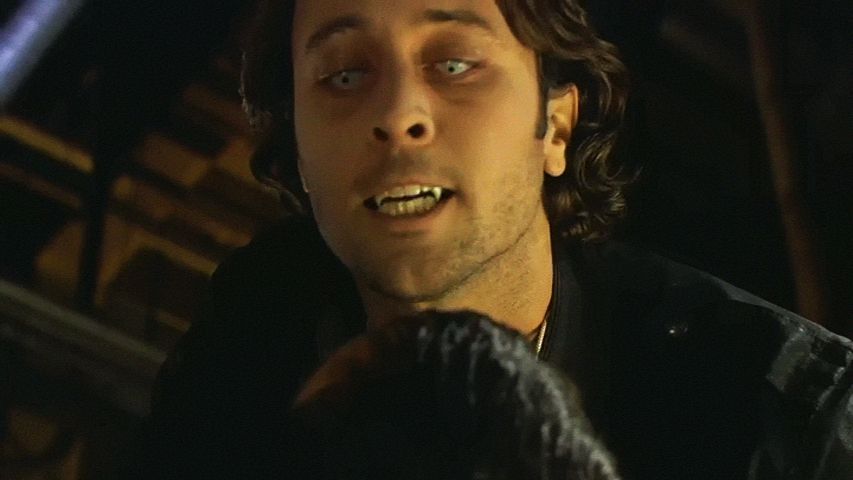
Moonlight is one of the clearest examples of a show that got killed by bad timing and a network without the patience to wait out the storm it created.
Now, Moonlight isn’t science fiction in the strictest sense. It’s more accurately supernatural noir with vampire mythology at its core. But it absolutely lives in that sci-fi adjacent space because it takes a familiar monster archetype and treats it with a kind of internal logic that feels closer to speculative fiction than straight fantasy.
Mick St. John is a private investigator in Los Angeles who also happens to be a vampire who was turned against his will by his bride on their wedding-night fifty-five years earlier. He’s haunted by what he is, and he’s quietly been watching over a human woman named Beth Turner since he rescued her from his ex-wife as a child. Now she’s a reporter, they keep crossing paths on cases, and the whole thing has the slow burn of a noir romance.
What really made Moonlight stand out was the way it reimagined vampire tropes. blood was still a necessity, immortality was still a burden, but Sunlight wasn’t deadly, it was tolerable. The series stripped away a lot of the theatrical excess and asked what it might actually be like to exist as one of these beings in the modern world. It made the vampirism curse feel more like a condition with rules, routines, and consequences. That approach gave the show a different energy from more traditional vampire dramas. That’s a big reason Moonlight earns the number one spot. It was doing more than telling vampire stories. It was reshaping what a vampire series could look like on television at a time when the genre was still heavily tied to teen angst, or pure horror. Yes, it was moody and romantic, but also surprisingly practical in the way it handled the mythology. Moonlight created this contemporary society that made it feel almost like an alternate world.
The series premiered in 2007, won the People’s Choice Award for Best New Drama, and was sitting on exactly the kind of premise that was about to become a cultural obsession. Twilight hit the following year. True Blood hit the same year. The vampire moment was arriving and Moonlight was already there, but the writers’ strike stalled its first season momentum, ratings dipped during the hiatus, and CBS pulled the plug in May 2008. The finale ended on an open note with Mick and Beth’s future still unresolved and an entire vampire underworld barely scratched. The show that was perfectly positioned to ride one of TV’s biggest genre waves got canceled right before the wave came in.
What all of these shows have in common is not just that they were canceled too soon. It is that each one had more to say. They introduced worlds, ideas, and characters that still felt alive when the credits stopped rolling. Some were ambitious to a fault, some were ahead of their time, and some simply got lost in the chaos of network decisions and shifting audience habits. But none of them felt like stories that had truly reached their natural end.
That is why these shows still stick with people. Science fiction works best when it opens up possibilities, and every series on this list left behind the sense that there was still something worth exploring. Whether or not any of them ever get revived, they remain good examples of how a short-lived show can still make a lasting impression. Sometimes one season is enough to build a fanbase. It is also enough to leave people wishing for one more chance.





 Screen Rated
Leave a comment